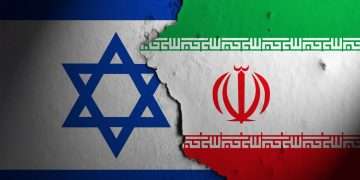





The Middle East has been thrust into an unprecedented era of uncertainty. As of March 2, 2026 Iran-Israel War 2026, the long-simmering tensions between Iran, Israel, and the United States have erupted into a full-scale regional conflict. With the confirmed death of Iran’s Supreme Leader and the potential blockade of the world’s most vital oil artery, the global economy is bracing for a “super-shock.”
The Decapitation Strike: Operation Epic Fury & Lion’s Roar
On February 28, 2026, the United States and Israel launched a coordinated daylight offensive. The U.S. campaign, dubbed Operation Epic Fury, and Israel’s Operation Lion’s Roar, targeted the heart of Tehran’s political district.
Satellite imagery from Airbus Defence and Space has confirmed that the official residence of Ayatollah Ali Khamenei was obliterated. Iranian state media has since verified the death of the 86-year-old Supreme Leader, declaring a 40-day mourning period. This “decapitation strike” also claimed the lives of several top Revolutionary Guard commanders, leaving a massive power vacuum in the Islamic Republic.
The Strait of Hormuz: A Global Economic Chokepoint
The most immediate concern for the global market is the status of the Strait of Hormuz. This narrow waterway handles approximately 20-25% of the world’s total petroleum and liquefied natural gas (LNG) consumption.
Reports as of today, March 2, indicate that Iran has begun broadcasting radio warnings to commercial vessels, stating that “no ship is allowed to pass.” While a full blockade is not yet confirmed by independent naval monitors, major oil traders like Shell and BP have reportedly suspended shipments via the Strait of Hormuz due to soaring insurance premiums and safety risks.
Iran-Israel War 2026: Impact on Oil Prices (March 2026)
| Factor | Status/Price Impact |
| Brent Crude Price | Spiked to $72.87 (Expected to hit $80+ by Monday close) |
| UAE Petrol Prices | Super 98 rose to Dh 2.59; Special 95 to Dh 2.48 |
| Global Shipping | Insurance “war risk” premiums have increased by 400% |
| India’s Supply | 50% of India’s crude imports are currently at risk |
Regional Retaliation: The Middle East on High Alert
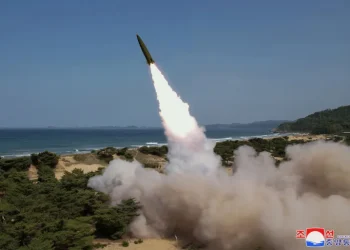
Iran has not remained silent. The Revolutionary Guard launched “Truthful Promise 4,” a wave of ballistic missiles and suicide drones targeting:
- US 5th Fleet Headquarters in Bahrain.
- Al-Dhafra Airbase in the UAE.
- Tel Aviv and Beit Shemesh in Israel.
In the UAE, authorities have moved all schools to distance learning from March 2 to March 4 as a precaution. Residents are being urged to follow official safety instructions from the NCEMA and avoid spreading unverified rumors on social media.
Global Travel Chaos: 2,000+ Flights Cancelled
Air travel across West Asia is currently crippled. Over 1,600 flights from carriers like Emirates, Etihad, and Qatar Airways were cancelled over the weekend. Indian carriers, including Air India and IndiGo, have suspended all flights to the UAE, Saudi Arabia, and Israel until at least 11:59 PM on March 2.
“The speed at which this conflict turned regional is dizzying,” reported The Guardian. Travelers are advised to check their flight status directly with airlines before heading to any regional hubs.
What Happens Next?
An interim leadership council consisting of President Masoud Pezeshkian and Judiciary Chief Gholamhossein Mohseni Ejei has taken control in Tehran. While they have vowed to continue “the path of the Leader,” the international community is watching to see if a more moderate successor emerges or if the “Old Guard” pushes for a total war of attrition.
For those with upcoming plans in the region, staying informed is vital. You can find comprehensive travel safety tips for the Middle East on our dedicated travel portal.
For real-time military analysis, we recommend following the Institute for the Study of War’s live conflict map.