




President Cyril Ramaphosa has outlined new measures to respond to rising gender-based violence after classifying femicide and related offences as a national disaster. The move is expected to support male-led femicide prevention initiatives while improving broader gender-based violence awareness programs across communities.
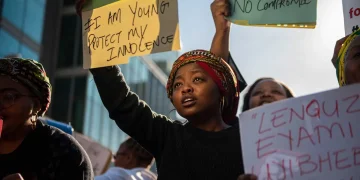
The classification, announced on 21 November after protests organised by the NGO Women for Change, received support but also concern from activists who say stronger protections and faster government action are still needed. Critics believe that existing frameworks have fallen short in protecting women, despite higher levels of public pressure and advocacy from south africa men against violence.
Government powers under the new classification
The decision is different from declaring a state of disaster, which grants emergency powers. Instead, the classification gives the National Executive responsibility to coordinate a national response using current laws. It reinforces existing structures and may accelerate government interventions. A full state of disaster would only occur if existing legislation and contingency policies are insufficient.
Many civil society groups have argued that current reforms have not adequately addressed violence, even with major legal changes in 2022, such as: strengthening domestic violence laws, expanding the sexual offences register, creating more specialised courts, and enhancing support for vulnerable individuals. These changes were intended to reduce violence but have yet to demonstrate widespread impact.
Ramaphosa defends the approach
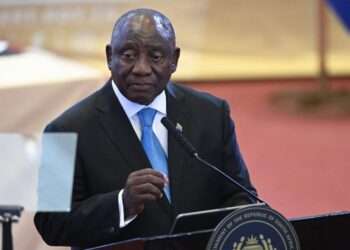
In a weekly letter, Ramaphosa said the classification will speed up funding and resourcing for justice institutions.
“We will be able to support law enforcement agencies and the judiciary to expedite the management and processing of GBVF-related cases,” he said.
He added that mandates for departments such as Social Development, Justice, Health, Police and Basic Education will be strengthened to provide more shelters, safe spaces, counselling, and community-focused prevention. This is expected to complement rising gender-based violence awareness programs led by different sectors.
All state bodies involved in the response will be required to submit progress reports to the National Disaster Management Centre, ensuring that goals are measurable rather than symbolic.
Police and prosecutorial efforts
Ramaphosa noted increased collaboration between the SAPS and the National Prosecuting Authority:
“The SAPS and the National Prosecuting Authority continue their joint work to improve the speed and quality of evidence analysis. A 24-hour service for obtaining protection orders has been introduced,” he said.
National disaster, national responsibility
A central goal of the new framework is the expansion of male-led femicide prevention initiatives, especially those that target harmful behaviours and social norms. Research by the Human Sciences Research Council shows that more than 35% of South African women aged 18 and older have experienced physical or sexual violence, mostly committed by intimate partners.
Ramaphosa emphasised that men must participate actively in ending gender-based violence:
“This is not a fight to be waged by women alone.”
Engaging men as part of the solution
The government plans to accelerate prevention programmes for men and boys through community dialogues focused on accountability, masculinity, cultural influence, and social dynamics. These interventions align with increasing efforts from south africa men against violence, who have called for more direct engagement, education, and responsibility.
“We must engage honestly about the toxic masculinity, cultural norms, peer pressure, social dynamics and socialisation that is turning men and boys into abusers of women and children,” Ramaphosa said.
The president said expanding male-led femicide prevention initiatives will support broader gender-based violence awareness programs and help create safer environments for women. He noted that long-term change requires collective social responsibility and measurable commitments.
“A national disaster demands national responsibility.”
For travel opportunities and bookings, visit our partner site: https://travel.afrikeye.com/
This story was first reported by Business Tech. Read the full article here.