




The life of a modern military service member is defined by a profound duality that stretches between exemplary public service and deeply complex personal challenges. Behind the uniform, every active duty soldier navigates an intricate balance of intense institutional expectations, community leadership roles, and private emotional vulnerabilities. Understanding this multi-faceted reality requires looking past the rigid exterior of military training to observe how these individuals integrate into civilian life.
On one side of this experience, service members frequently step forward to act as foundational pillars within their local communities. They dedicate their off-duty hours to mentorship programs, youth athletics, and civic organizations, bridging the traditional gap between civilian populations and the armed forces. These positive interactions foster deep mutual respect and allow local communities to witness the core values that guide military training.
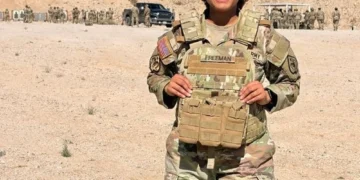
This constructive intersection becomes clear when looking at the inspiring story of a dedicated service woman who balances her heavy defense responsibilities with local youth leadership. For instance, a detailed feature highlights the meaningful connections and opportunities that emerge when an active Army soldier steps up to serve as a local Girl Scout leader. Such roles allow military personnel to pass down vital principles of discipline, resilience, and teamwork to the next generation of young leaders.
These volunteer efforts demonstrate that military training prepares individuals to excel in highly collaborative civilian environments. By bringing structured leadership into youth organizations, service members help build a supportive framework for young children navigating modern societal pressures. These shared values between youth organizations and an active soldier emphasize a mutual commitment to honor, community service, and personal integrity.
Such positive engagements offer immense personal fulfillment to service members who face the unique isolation often associated with military deployment cycles. Engaging with local families helps ground these professionals, providing them with a reliable emotional anchor outside of their demanding tactical environments. This community integration is highly beneficial for maintaining peak mental wellness and fostering a healthy sense of belonging.
However, the intense demands of this lifestyle can also expose individuals to severe psychological strain and complex interpersonal conflicts. While public attention focuses on operational achievements, the private lives of military personnel can sometimes face devastating emotional breakdowns. When domestic pressures intersect with volatile personal relationships, the consequences can occasionally manifest in tragic, headline-grabbing incidents within civilian communities.
Navigating the Complex Realities Facing the Modern Soldier
A sobering example of these domestic pressures emerged in a recent criminal case that has shocked military and civilian observers alike. A formal legal proceeding detailed a tragic incident where an active duty National Guardsman admitted to fatally shooting a fellow soldier after discovering the individual in bed with his former girlfriend. This violent escalation underscores the extreme emotional volatility that can develop when personal relationships fracture under the weight of high-stress environments.
Criminologists and psychological analysts point out that the rigid discipline of military life does not automatically immunize an individual against raw human impulses like jealousy or rage. When intense personal betrayal occurs, the coping mechanisms of an otherwise orderly soldier can face a complete and catastrophic failure. These tragic occurrences emphasize the urgent need for comprehensive mental health resources and robust relational counseling within all defense branches.
Addressing these underlying emotional vulnerabilities is critical for maintaining the overall operational integrity and public standing of the armed forces. Military leadership continues to invest heavily in behavioral health programs designed to help service members manage domestic disputes and emotional trauma before they escalate into violence. These proactive interventions seek to provide personnel with the psychological tools required to de-escalate intense interpersonal crises safely.
Furthermore, expanding these support structures has a direct impact on the broader economic and social environments surrounding major military installations. When service members receive effective emotional care, they can sustain stable careers and secure competitive positions within both defense sectors and civilian enterprises. This domestic stability directly influences regional infrastructure by reducing the strain on local law enforcement and public mental health services.
The contrasting experiences of community leadership and extreme personal crisis highlight the deep complexity of the modern military lifestyle. An individual can simultaneously be an inspiring mentor to young citizens while privately struggling with devastating emotional trauma. Recognizing this duality allows civilian society to offer more nuanced and effective support systems to those who wear the uniform.
Ultimately, fostering a culture of openness and proactive psychological care ensures that military personnel can thrive both on and off duty. By providing comprehensive resources that address both professional duties and private relationships, society can help protect the well-being of every single soldier. This holistic support honors their immense public sacrifices while safeguarding their fundamental humanity in an increasingly demanding world.
Building durable administrative support frameworks for service families also interacts heavily with municipal politics and regional urban planning. Local governments often collaborate with defense networks to construct subsidized housing blocks and reliable community health hubs near bases. This structural cooperation guarantees that military families gain easy access to clinical guidance, psychological therapy, and pediatric support systems.
Over time, stabilizing the private households of active personnel creates secondary positive effects across the localized business landscape. When military families feel socially integrated and emotionally secure, they participate more vigorously in local commerce and real estate markets. This stable consumer spending provides a reliable foundation for small business owners and commercial retailers operating around military installations.
Furthermore, introducing advanced computational monitoring and automated tracking systems can help defense departments identify behavioral anomalies early. Deploying specialized data tech platforms allows medical teams to evaluate anonymous stress indicators and survey results across various operational brackets. This technological tracking helps commanders distribute counseling assets efficiently before a high-stress deployment cycle commences.
As military organizations test advanced ai resource scheduling engines, they can optimize off-duty rotations to prevent burnout. These data-driven scheduling tools ensure that personnel receive adequate resting windows and personal leave to maintain healthy family relationships. Safeguarding these private bonds remains a foundational requirement for sustaining high morale across long-term defense assignments.
Independent editorial boards publishing their expert opinion pieces emphasize that human capital development must be prioritized alongside hardware procurement. Investing in comprehensive relational training and marital counseling shields the armed forces from the compounding costs of domestic legal battles. This holistic strategy protects specialized personnel, helping them secure long-term military jobs and transition smoothly into civilian careers later in life.