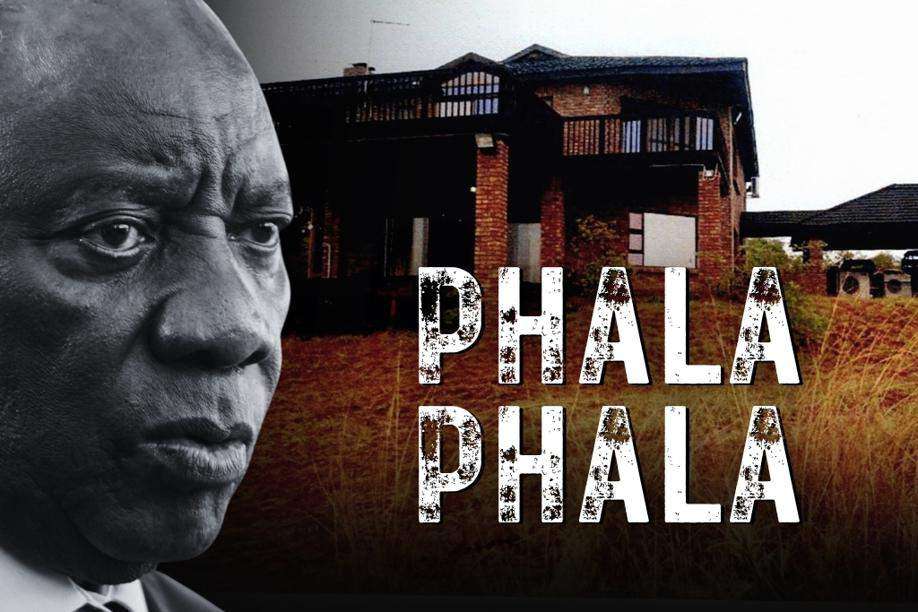
South African President Cyril Ramaphosa has formally requested permission from the country’s chief judge to challenge the independent panel report that threatens his presidency. This unprecedented legal maneuver tests the resilience of democratic accountability across Southern Africa, where executive leaders frequently utilize judicial technicalities to evade parliamentary scrutiny. The application targets the very legal officials who initially found prima facie evidence of serious misconduct regarding the theft of foreign currency.
The Core Story
President Ramaphosa has written to Chief Justice Mandisa Maya seeking explicit consent to serve legal papers on members of the Section 89 impeachment panel. According to News24’s coverage on the Ramaphosa application, this procedural step is legally mandated under the Superior Courts Act because the investigative committee included a retired judge. The President’s legal team aims to take the entire independent report on judicial review, arguing that the findings were fundamentally flawed in law and fact. Every judge involved in the initial investigation must be formally cited if the review application is to proceed through the politics and legal systems.
Background & Context
The Phala Phala scandal erupted when it was revealed that over half a million US dollars had been stolen from the President’s private game farm in 2020. A parliamentary panel, chaired by former Chief Justice Sandile Ngcobo, concluded that Ramaphosa had a case to answer. In December 2022, the ruling African National Congress used its parliamentary majority to reject the report and block the impeachment inquiry. However, a recent Constitutional Court ruling declared that vote irrational and invalid, forcing the legislature to reopen the accountability mechanism.
Significance & Stakes
This legal counter-offensive serves as a severe test of South Africa’s institutional independence. As detailed in the Business Day report on the legal review, blocking the impeachment process through the courts could severely undermine public faith in constitutional accountability. An editorial by the Daily Maverick on South Africa’s moral compass demonstrates that selective outrage is eroding the credibility of the anti-corruption struggle. If the apex judge permits this review, it establishes a precedent where incumbent executives can perpetually delay legislative oversight through endless court appeals.
Voices & Perspectives
The President’s legal representatives issued official statements asserting that the review is necessary to ensure findings of such magnitude are factually correct. They maintain that seeking permission from the chief judge is a matter of strict legal compliance, not a tactic to evade justice. Conversely, opposition leaders from the Economic Freedom Fighters and ActionSA condemned the move, stating the President is deliberately stalling his day of reckoning. Independent legal analysts warn that forcing another judge to re-evaluate the panel’s work simply shifts the political crisis from Parliament back into the judiciary.
The Pan-African Angle
The systematic use of the judiciary to stall parliamentary oversight accelerates a disturbing regional trend across the continent.
- Regional Trend: Similar to recent political maneuvers in Senegal and Kenya, incumbent leaders are increasingly weaponizing administrative law to suppress legislative inquiries.
- African Comparison: Unlike nations where the executive operates with complete impunity, the South African model still requires the President to submit to the authority of a presiding judge before launching a defense.
- Lesson for African States: The ultimate lesson for developing democracies is that a robust constitution means little if procedural loopholes allow leaders to delay accountability indefinitely.
What Happens Next
The immediate future of the impeachment inquiry now rests on whether the chief judge grants the President’s procedural request. If permission is denied, Parliament will be compelled to move forward with the constitutionally mandated hearings. Should the review be approved, the process will likely be stalled for months or even years in the lower courts.
Conclusion
The Phala Phala review application is no longer just about hidden foreign currency; it is a profound stress test for the separation of powers. A robust democracy requires leaders who submit to public accountability rather than hiding behind the robes of a judge to delay the inevitable. For comprehensive analysis on institutional transparency across the continent, explore the Afrikeye platform, or plan your next diplomatic conference travel via Afrikeye Travel.