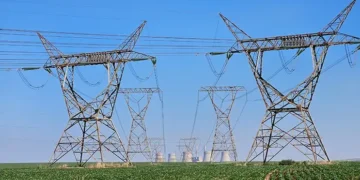





In line with the prominent theme of the latest Africa Energy Forum, global energy innovators have unveiled a comprehensive array of integrated energy solutions designed to fuel sustainable industrial growth across developing nations. This modern industrial strategy focuses heavily on bridging the historical operational gap between raw power production and heavy industrial application. By harmonizing sustainable electricity generation with advanced digitization frameworks, international engineering groups aim to supply local industries with the precise tools required to scale production safely.
The structural execution of these extensive energy distribution models arrives at a crucial moment when emerging markets are striving to expand their domestic manufacturing capacities. Industry leaders emphasize that building a highly resilient economic foundation requires a complete shift away from fragmented legacy utilities toward fully unified asset systems. This systematic optimization ensures that local commercial centers can maintain absolute productivity metrics without facing constant structural blackouts or costly power variations.
This monumental technological upgrade is already transforming the broader continental business landscape by establishing highly competitive operating parameters for regional factories. When industrial facilities gain access to stable electrical grids, they can significantly lower their baseline transactional overhead and attract long-term foreign direct investments. Protecting these key commercial zones from sudden power fluctuations remains an absolute priority to stimulate macroeconomic growth and protect corporate capital allocations.
The deployment of these integrated energy solutions allows emerging economies to optimize their resource distribution networks through advanced hardware tracking loops. State-backed infrastructure developments are moving rapidly to replace old transmission lines with automated electronic switching assemblies to reduce long-distance transmission losses. By implementing these structural upgrades, sovereign development banks can ensure that rural communities enjoy the same level of utility reliability as major urban centers.
The rapid roll-out of these complex utility upgrades has sparked intense legislative debates within regional politics regarding state-level energy subsidies and grid infrastructure funding. Policymakers face growing structural pressure from civil organizations to approve major capital grants for the modernization of public power stations. Establishing a transparent legal framework for public-private partnerships remains a core requirement to attract top-tier international utility operators to the continent.
At the center of these modern digital upgrades is an advanced emissions management platform running at a major state facility in North Africa. The Tunisian state utility, STEG, has successfully deployed a sophisticated digital architecture that utilizes advanced analytics to measure real-time greenhouse gas emissions. For instance, detailed case reports demonstrate how digital intelligence is accelerating the energy transition by replacing expensive physical validation hardware with highly accurate software monitoring grids.
Achieving Grid Stability Through Integrated Energy Solutions
By adopting these integrated energy solutions, municipal utilities can stabilize their tracking data while reducing long-term maintenance overhead by up to 50 percent. This innovative software-driven framework was successfully validated at the Sousse B power plant, confirming that digital twin models can deliver exceptional data consistency. Enhancing this regulatory traceability is highly beneficial to support regional electricity export initiatives designed to supply clean energy directly to European consumer markets.
Furthermore, the automated tracking of carbon footprints allows local manufacturing companies to comply perfectly with strict international trade standards. Compliance with environmental frameworks like the European Union’s Carbon Border Adjustment Mechanism ensures that African products remain highly competitive across international markets. This data-driven approach to environmental responsibility serves as a powerful catalyst for cross-border commerce and localized capital accumulation.
The technical management of these complex multi-state power grids is driving a massive surge in specialized jobs for young data engineers and software programmers. As major public utilities transition toward automated systems, the demand for certified network administrators, grid engineers, and digital security monitors continues to climb exponentially. Training this native professional cohort is structurally vital to foster long-term technical self-sufficiency and build a resilient digital economy.
The transition toward integrated energy solutions is also reshaping how multinational corporate groups evaluate the overall reliability of regional electrical distribution grids. Leading utilities emphasize that as developing nations accelerate their green energy transitions, the administrative focus must shift from simply adding capacity to maintaining grid resilience. This specific grid-forming philosophy relies heavily on flexible technologies like aeroderivative gas turbines and synchronous condensers to anchor volatile wind and solar arrays.
To support this structural evolution, technical teams have published an insightful Spain’s 2025 Blackout Experience whitepaper drawing critical lessons from European grid-firming experiences. The study demonstrates that future electrical systems must be explicitly engineered to withstand sudden frequency drops caused by high renewable energy penetration levels. Incorporating these proven international methodologies helps local engineers leapfrog traditional design hurdles and build power networks that are inherently stable.
For consecutive structural guidance on managing these complex grid variations, operators can consult the detailed Ensuring Power System Stability document to study modern distribution parameters. This comprehensive manual maps out the necessary technical pathways required to upgrade provincial distribution systems using advanced power electronic components. Embracing these advanced engineering guidelines allows municipal managers to secure baseline voltage controls during intense peak demand cycles.
Expanding access to integrated energy solutions remains the primary objective for forward-thinking executives steering corporate strategy across Europe, the Middle East, and Africa. To analyze the exact operational milestones driving these corporate initiatives, observers can track the Joseph Anis leadership portfolio detailing long-term regional development programs. Establishing these deep industrial partnerships allows corporate groups to deploy advanced ai software that automates carbon tracking across entire supply networks.
Independent energy consultants sharing their professional opinion in industry journals emphasize that artificial intelligence must run alongside robust physical hardware upgrades to achieve optimal results. They argue that software optimization cannot compensate for damaged transmission lines or decaying substation transformers in remote provinces. True national transformation requires an uncompromised fiscal commitment to modernizing the physical transmission backbone before deploying high-end digital twins.
Ultimately, protecting the structural integrity of these large-scale utility systems is vital to maintain general public safety and support community health tracking networks. When local medical centers and water purification plants have access to uninterrupted electrical power, infant mortality rates drop significantly while sanitation indicators improve. This critical connection proves that upgrading the sovereign energy grid is a fundamental requirement to foster sustainable human development and long-term societal prosperity.
Interested stakeholders, utility directors, and policy analysts can explore full corporate announcements by connecting directly with the GE Vernova official LinkedIn network for real-time industrial updates. Additional case studies, regional project highlights, and local grid modernization strategies can be gathered through the regional Middle East and Africa digital community portal. By combining century-long engineering expertise with modern digital tools, global energy leaders are successfully helping African nations build a highly stable and industrialized future.