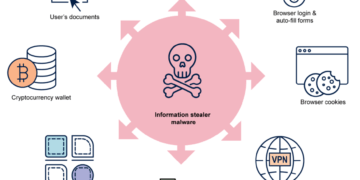





The exponential rise of sophisticated credential theft networks presents a devastating risk to modern computing environments, especially when user behavior facilitates entry. A breakthrough discovery by global cybersecurity experts reveals that widespread infostealer infections frequently trace back to basic execution missteps rather than advanced hacker strategies. Specifically, more than one-third of these compromised systems occur because careless individuals trigger files directly from temporary browser folders. This widespread carelessness demonstrates that human habits remain the primary catalyst behind the unauthorized extraction of credentials, browser cookies, and encrypted system data worldwide.
To map these technical vulnerabilities accurately, researchers analyzed five million dark web log files compiled over the course of recent analytical cycles. This expansive data registry uncovered that a shocking 35 percent of all observed infostealer infections occurred entirely within the standard Windows temporary directory path. This specific terminal directory is designed to hold incoming web files before users explicitly select a permanent destination. Because thousands of web users choose to launch downloads immediately without performing prior safety evaluations, threat actors easily infect local computing systems without deploying advanced security bypasses.
This dangerous operational oversight has severely impacted the broader international business landscape, costing enterprises millions in emergency forensic reviews. When corporate login credentials are leaked onto dark web marketplaces, illicit threat groups gain unauthorized access to internal communication channels and proprietary corporate data. This expanding threat landscape forces small and medium enterprises to reallocate substantial capital toward emergency incident management protocols instead of utilizing those funds for standard commercial growth or scaling operations.
Conversely, the research noted that 32 percent of these digital intrusions occurred through specialized system directories such as the default Microsoft .NET framework pathway. This alternative location indicates the use of advanced process injection techniques where malware manipulates legitimate operations to bypass local detection layers. Such behavior is a core characteristic of elite threat operations, including the notorious advanced malware family Lumma, which targets corporate environments with complex evasion scripts. Understanding these two distinct attack paths is critical to help defense departments counter active infections effectively.
The data points directly to two highly problematic habits: downloading software packages from untrusted digital repositories and executing malicious activation software illegally. In numerous observed cases, unsuspecting individuals actively followed instructions provided by threat networks, intentionally disabling their native security tools before executing infected archives. These files are routinely disguised as cracked installers, software key activators, or custom video game modifications. While digital gaming enhancements remain a dominant trap, malicious actors actively adapt these identical delivery mechanisms to distribute malware under the guise of virtually any software utility.
Critical Defensive Measures to Mitigate Rising Infostealer Infections
As global networks grapple with these evolving threats, implementing multi-layered defensive frameworks across all corporate workstations has become an absolute necessity. Organizations must systematically block the execution of executable files from temporary directories while forcing all incoming data through advanced signature scanning protocols. Neglecting to enforce these basic endpoint restrictions allows unauthorized code to execute silently, leading to catastrophic infostealer infections that can compromise an entire enterprise infrastructure within minutes.
The broader administrative fallout from these continuous security compromises is reshaping contemporary digital politics and driving state-level data protection regulations. Regulatory boards are introducing strict compliance mandates that penalize corporate entities if they fail to protect consumer session cookies and login profiles. These evolving legal requirements force executive committees to maintain transparent threat monitoring frameworks, ensuring that any localized credential compromise is reported to federal oversight agencies immediately.
To handle these complex digital risks efficiently, modern information technology infrastructure relies heavily on automated monitoring platforms within the digital tech sector. Security operations centers utilize centralized network tracking registries to isolate suspicious traffic trends and spot credential leaks before they escalate into full-scale network breaches. Integrating these robust data protection services allows system administrators to revoke compromised access certificates before malicious actors can exploit them to move laterally through internal networks.
Furthermore, the detection of unusual network connections and file movements is being streamlined through the integration of sophisticated ai resource management tools. By running real-time predictive analytics against global threat databases, automated tools can identify subtle behavioral indicators associated with data-stealing payloads. The proactive deployment of this artificial intelligence infrastructure helps modern security teams block unauthorized credential exports, neutralizing active infostealer infections before sensitive corporate records are published on the dark web.
This technical evolution is driving a major expansion of highly specialized cybersecurity jobs across the global economic spectrum. Corporations are actively recruiting forensic analysts, incident response specialists, and threat intelligence experts who possess deep expertise in decoding malware obfuscation techniques. Investing in these skilled technical teams allows enterprises to build highly resilient digital barriers, shifting their corporate posture from reactive crisis management to proactive perimeter defense.
According to the detailed findings published by experts, global infostealers surged dramatically with global device compromises increasing by 59 percent year over year. To insulate sensitive networks from these escalating infostealer infections, enterprise administrators are strongly urged to explore the full report details to study specific naming conventions and structural file patterns. Security professionals can also leverage the comprehensive Kaspersky Threat Intelligence portal to gather rich contextual data across the entire incident handling cycle.
On a corporate level, deploying a dedicated Digital Footprint Intelligence platform remains a vital requirement to scan dark web channels for exposed company records. Everyday users must also follow strict personal safety practices, such as running an advanced Kaspersky Premium software Suite to catch malicious downloads. Furthermore, storing critical corporate passwords or encryption recovery phrases within a dedicated Kaspersky Password Manager tool protects the overall health of the digital ecosystem and prevents unauthorized credential extraction.
Ultimately, defeating the threat of digital credentials theft requires a combination of robust software tools and continuous user education. Teaching employees to avoid running untrusted programs or game modifications from unverified sources is just as critical as deploying high-end firewalls. By fostering a culture of cybersecurity awareness and using automated threat tracking tools, communities can secure their data assets and build a safer digital future.