




New efforts to strengthen women’s economic recovery in Ethiopia are placing greater emphasis on practical livelihood opportunities, access to productive assets, and childcare services as the country continues supporting communities affected by conflict.
Backed by the World Bank through the Response-Recovery-Resilience for Conflict-Affected Communities in Ethiopia (3R4CACE) project, the initiative seeks to help women rebuild sustainable livelihoods while addressing the everyday challenges that often prevent them from participating fully in economic activities.
Unpaid Care Work Remains a Major Challenge
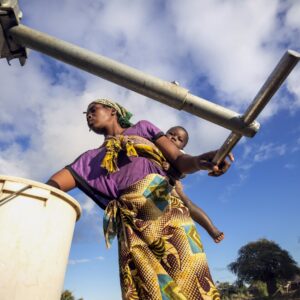
For many women living in conflict-affected areas, the day begins long before sunrise with unpaid household responsibilities such as collecting water, gathering firewood, preparing meals, caring for children, and supporting elderly family members. These responsibilities significantly reduce the time available for income-generating work.
Project teams studying economic recovery initially focused on identifying profitable sectors and growing markets. However, discussions with women across several Ethiopian regions revealed that the biggest obstacle was often not opportunity—but time.
Many women expressed a preference for home-based businesses that could be managed alongside family responsibilities and within communities where mobility and security remain major concerns.
Conflict Has Deepened Economic Hardship
Communities across Afar, Amhara, Benishangul-Gumuz, Oromia, and Tigray continue to face the long-term consequences of conflict, including displacement, disrupted markets, loss of productive assets, and increased cases of gender-based violence.
Despite these challenges, women continue searching for ways to rebuild their livelihoods. The project therefore expanded its analysis beyond profitability to include safety, climate resilience, access to essential resources, sustainability, and local market demand.
The findings showed that successful livelihood programmes must be tailored to local conditions rather than relying on a single model for every region.
Agriculture and Small Businesses Offer New Opportunities
Research identified several sectors with strong potential for supporting women’s economic recovery. Livestock production, agriculture, food preparation, and small-scale processing consistently emerged as viable opportunities, although the most suitable options differed from one region to another.
The project concluded that livelihood programmes are most effective when they reflect the realities women experience in their own communities.
Limited Asset Ownership Continues to Restrict Growth
The initiative also highlighted significant inequalities in ownership of productive assets.
Survey findings showed that many women possess few business tools or agricultural resources. Equipment such as sewing machines, food-processing tools, weaving equipment, livestock, bicycles, and farming machinery is frequently owned or controlled by men.
Limited ownership of assets reduces women’s ability to obtain financing, expand businesses, or recover financially after conflict. The project therefore incorporates productive equipment into its economic support packages to help women establish sustainable sources of income.
Childcare Recognized as an Economic Investment
One of the programme’s most significant components is the expansion of community childcare services.
Supported through funding from the Early Learning Partnership, the project is establishing 80 childcare centres across Ethiopia while training approximately 1,500 women as childcare providers. Many of those receiving training are survivors of gender-based violence.
The initiative is expected to generate multiple benefits by allowing more women to participate in vocational training and employment, creating new professional opportunities within childcare services, and strengthening cooperation between displaced families and host communities.
In many areas outside Addis Ababa, organized childcare services remain extremely limited, making this investment an important part of long-term economic recovery.
Regional Livelihood Plans Reflect Local Priorities
Earlier this year, Ethiopia’s Ministry of Women and Social Affairs brought together regional experts to identify practical livelihood opportunities suited to different parts of the country.
Recommendations varied according to local economic conditions. Agriculture, livestock production, beekeeping, food processing, tailoring, dairy production, spice preparation, cooking, and childcare services were identified among the most promising sectors for women across different regions.
Officials noted that successful economic recovery programmes must address social norms, trauma, limited mobility, and time constraints alongside traditional employment support.
Building Long-Term Economic Resilience
Development partners say women’s economic empowerment extends beyond increasing household income. Strengthening access to employment, productive assets, finance, and essential support services can also improve resilience, reduce vulnerability, and expand opportunities for women rebuilding their lives after conflict.
As Ethiopia continues implementing recovery programmes in conflict-affected communities, initiatives that combine livelihood support with childcare and skills development are expected to play an increasingly important role in promoting inclusive and sustainable economic growth.
Follow Arikeye For More.
Source: World Bank Group, distributed by African Media Agency (AMA).