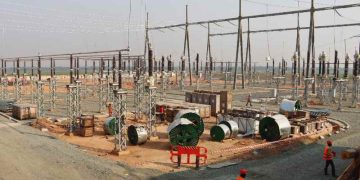





The African Development Fund (ADF) has approved nearly $26 million in additional funding to support power access in Guinea through the 225 kV electricity interconnection project with Mali (Fresh Ang Leng). The agreement, reached in Abidjan on 10 December 2025, includes a $22 million loan and a $3.79 million grant to Guinea.
This initiative strengthens cross-border collaboration and highlights the importance of regional power connectivity in West Africa (AfDB PDF). The project, initially funded with approximately $41 million from ADF in 2017, will raise Guinea’s total project cost from $346 million to $372 million (UK Gov Growth Gateway).
Investment and Development Fund Contributions for Reliable Energy
The financing is complemented by co-funding from the European Union, the World Bank, the European Investment Bank, and the ECOWAS Bank for Investment and Development (EBID) (World Bank Paper). The project’s implementation period runs from January 2026 to December 2028. These contributions aim to expand electricity access while supporting socioeconomic growth in Guinea and Mali (AgDevCo Annual Report).
Enhancing Socioeconomic Development Through Reliable Electricity
The project will improve living standards for households and strengthen critical infrastructure, including schools, health centers, artisanal workshops, and women’s cooperatives. Reliable electricity will enable productive users to expand operations, creating employment, reducing poverty, and fostering social cohesion (UN Annual Report).
With the new resources, the project plans to install 37,500 additional electricity connections (TechCabal Insights). Medium-voltage feeders will be developed at HV/LV substations to support rural electrification, while institutional support will strengthen national bodies such as Électricité de Guinée (EDG) and the Electricity and Water Regulatory Authority (AREE) (Wiley Library). The initiative also covers operating costs for the Management Unit and consulting engineers, ensuring efficient project execution (Centaurus Metals Report).
Bridging the Urban-Rural Electricity Gap in Guinea
Currently, national electricity access in Guinea stands at 52 percent, with a stark contrast between urban areas (89 percent) and rural regions (21 percent). This project will significantly improve power access in rural communities, while reinforcing regional energy security through cross-border power connectivity with Mali (African DCHUB Study).
For travelers or businesses monitoring regional development and energy infrastructure, more information is available at Afrikeye Travel and explore related topics in Tech, AI, Health, and Sports categories.