




Cairo Summit Deepens Egyptian-Congolese Relations with Historic Economic and Security Accords
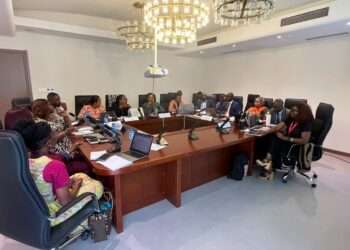
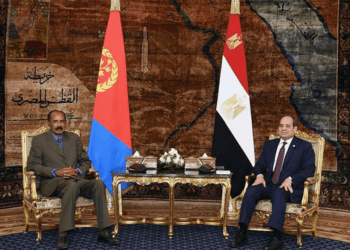
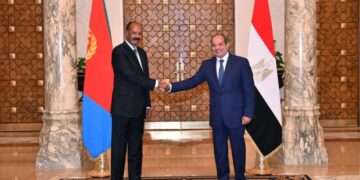
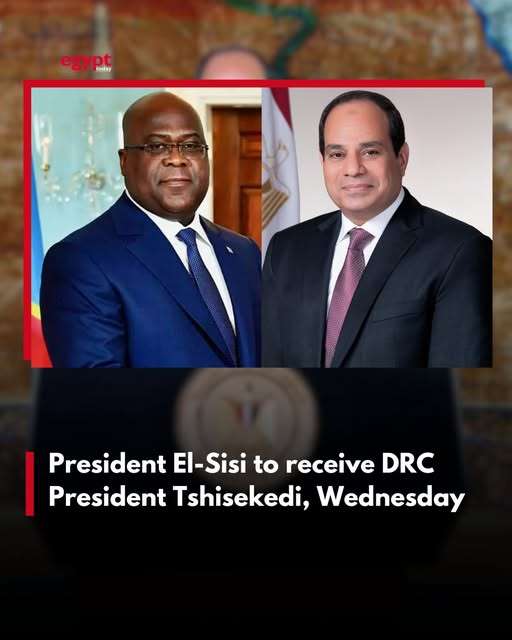
Egyptian President Abdel Fattah El-Sisi formally welcomed the President of the Democratic Republic of the Congo, Félix Tshisekedi, to the presidential palace in Cairo for a high-level bilateral summit. Marking President Tshisekedi’s fourth official state visit to Egypt in recent years, as detailed by the official presidential briefing, this diplomatic gathering signals a significant turning point for long-term regional cooperation. Following an elegant reception ceremony that included a traditional guard of honor salute and the performance of both national anthems, the two heads of state entered a private meeting before launching into an expanded technical session alongside their respective governmental delegations.
The timing of this diplomatic summit carries profound symbolic value, occurring just weeks ahead of the 66th anniversary of the independence of the Democratic Republic of the Congo. During a warm opening address, President El-Sisi extended his heartfelt congratulations to the Congolese people, praising the growing developmental momentum between the two partner nations. President Tshisekedi expressed deep gratitude for the hospitality, commending Egypt’s active role in promoting sustainable peace across the broader African continent while working closely to align sub-regional interests.
Expanding Strategic Coalitions Through Enhanced Egyptian-Congolese Relations
To transform these diplomatic conversations into measurable outcomes, the leaders witnessed the signing of strategic agreements and memoranda of understanding (MoUs). At the forefront of this economic push is a comprehensive investment promotion pact signed between Egypt’s General Authority for Investment and Free Zones (GAFI) and the DRC’s National Investment Promotion Agency (ANAPI). This agreement is designed to eliminate bureaucratic friction, increase trade exchange volumes, and encourage private enterprise to expand cross-border business networks that stimulate industrial manufacturing.
Infrastructural development took center stage with a landmark urban development protocol executed between Egypt’s Administrative Capital for Urban Development (ACUD) and the Congolese Ministry of Urban Planning and Housing. This agreement establishes a structured framework to export Cairo’s modern smart-city blueprints directly to Kinshasa. By integrating advanced digital systems and sustainable building tech, this initiative aims to modernize the DRC’s urban infrastructure while creating thousands of specialized vocational jobs for young local engineers and construction professionals.
Bilateral integration extended heavily into public health infrastructure. The two countries finalized a critical draft MoU to establish a specialized Egyptian cardiology and cardiovascular diseases wing at the Renaissance Hospital in the DRC. This medical infrastructure project will be actively supported by training programs and technical capacity-building initiatives managed by the Egyptian Agency of Partnership for Development. As specialized professional and medical travel between Cairo and Kinshasa increases, this venture will drastically improve access to localized health services for vulnerable communities.
The leaders also addressed critical environmental security and resource management, engaging in extensive discussions regarding cooperation among Nile Basin countries. Both presidents emphasized the absolute necessity of respecting international law governing transboundary rivers, advocating for a consensus-oriented approach within the ongoing Nile Basin initiative consultations. They jointly rejected any unilateral measures that could compromise the water security or developmental aspirations of sister states.
Turning to regional security, President El-Sisi explicitly reaffirmed Egypt’s unyielding commitment to the sovereignty, unity, and territorial integrity of the Democratic Republic of the Congo. Cairo pledged continued support for regional peace protocols aimed at resolving the ongoing conflict in eastern Congo, specifically backing the full implementation of the [suspicious link removed] to address armed instability. This multi-layered alignment across defense, trade, and diplomacy highlights how evolving politics are reshaping continental alliances. By converting high-level policy into tangible projects, the summit reflects a shared public opinion that sustainable development is entirely dependent on enduring regional stability.
As the summit concluded with an official state luncheon, both delegations committed to convening a regular Joint Committee to monitor the implementation of these diverse programs. This structured follow-up ensures that the signed treaties translate into active field operations, further embedding both nations as the core anchors of economic and political integration in Africa.