




Conflicts to Watch in 2026: A Global Security Analysis
As we navigate the complexities of this year, the geopolitical landscape remains remarkably fluid. For policymakers, investors, and concerned citizens, identifying the conflicts to watch in 2026 is not just an academic exercise—it is a necessity for understanding global stability, migration patterns, and the shifting tides of international power. From long-standing territorial disputes that have reached a boiling point to emerging regional tensions, the current state of global security requires a grounded, informed analysis.
This update provides a deep dive into the regions facing the highest risk of instability, with a specialized focus on the African continent and the technological shifts defining modern engagement.
The State of Global Peace: 2026 Overview
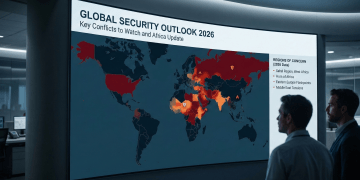
Recent data suggests that while some regions have found a fragile peace through diplomatic channels, others are experiencing a worrying resurgence of organized violence. According to recent global conflict trackers, the number of active armed conflicts has seen a slight uptick compared to the previous decade, driven largely by internal political fragmentation.
Tracking Armed Conflict Trends
Current trends indicate a decisive shift from traditional state-on-state warfare toward asymmetric conflicts involving non-state actors. These disputes are often fueled by competition over natural resources, climate-driven migration, and difficult political transitions. Staying informed on these trends is vital for anyone involved in international business or global policy, as instability in one region can trigger financial volatility thousands of miles away.
Africa News Update 2026: Key Regions of Concern
The African continent remains a central focus for geopolitical analysts this year. The Africa news update 2026 highlights a fascinating dichotomy: while several nations are experiencing record-breaking economic growth and digital transformation, others are grappling with persistent security challenges that threaten to undo years of progress.
Stability Challenges in the Sahel and East Africa
The Sahel region continues to face immense pressure from insurgent groups, impacting regional trade and human safety. Meanwhile, in East Africa, diplomatic efforts are in full swing to prevent localized disputes from escalating into broader regional crises. These security concerns often overlap with public health initiatives, as displacement can complicate the delivery of essential medical services and vaccination programs.
The Intersection of Conflict and Resource Security
One of the most significant drivers of instability in 2026 is the race for critical minerals. As the world transitions to green energy, regions rich in lithium, cobalt, and copper have become focal points for both domestic and foreign interests. Ensuring that these resources lead to prosperity rather than bloodshed is a defining challenge for African governance this year.
Global Flashpoints Beyond the African Continent
While Africa is a major focus, other regions are equally critical to the global security outlook. Experts monitoring the 10 conflicts to watch in 2026 point toward Eastern Europe and the Middle East as areas where “frozen conflicts” risk thawing. The potential for escalation in these regions has direct implications for global energy prices and supply chains, affecting consumer markets from New York to Tokyo.
Furthermore, tensions in the South China Sea remain a concern for maritime security. For those following global sports or international tourism, regional stability is often the silent factor that determines where major international events can safely be hosted.
The Role of Technology and AI in Modern Warfare
The nature of conflict is being fundamentally rewritten by innovation. We are seeing a significant rise in the use of autonomous systems, drone swarms, and sophisticated cyber operations. The integration of Artificial Intelligence in defense strategies is no longer a futuristic concept but a present-day reality that is changing how borders are monitored and how intelligence is gathered.
As tech advancements continue to accelerate, the digital battlefield is becoming as important as the physical one. This shift necessitates new international frameworks to govern the ethical use of technology in combat zones and to protect civilian infrastructure from state-sponsored cyber-attacks.
Humanitarian Impacts and Economic Consequences
Beyond the headlines of military maneuvers and strategic alliances, the human cost of conflict remains the most pressing issue. Displacement and the disruption of local economies create long-term hurdles for sustainable development. When agriculture is disrupted by violence, food security becomes a regional crisis that requires massive international intervention.
Disruption of Global Supply Chains
In 2026, the world is more interconnected than ever. A conflict in a primary shipping lane or a mining hub doesn’t just stay local; it delays shipments of consumer electronics and increases the cost of living globally. For those interested in traveling to Africa or other emerging markets, staying updated on safety protocols and regional stability is a prerequisite for a successful and safe journey.
Conclusion: The Path Toward De-escalation
Understanding the conflicts to watch in 2026 is the first step toward advocating for peace and long-term stability. While the challenges are significant and the risks are real, international cooperation and localized diplomacy continue to offer hope for de-escalation. By staying informed through a reliable Africa news update 2026 and comprehensive global reports, we can better understand the interconnected world we live in.