




A silent crisis is devastating communities across South Africa, as young men grapple with unprecedented levels of depression, anxiety, and emotional isolation. While national public health initiatives frequently prioritize maternal and early childhood care, the rapidly deteriorating psychological well-being of young males has largely remained in the shadows. For an African continent aiming to build resilient future generations, addressing this hidden epidemic is now a critical health and social priority.
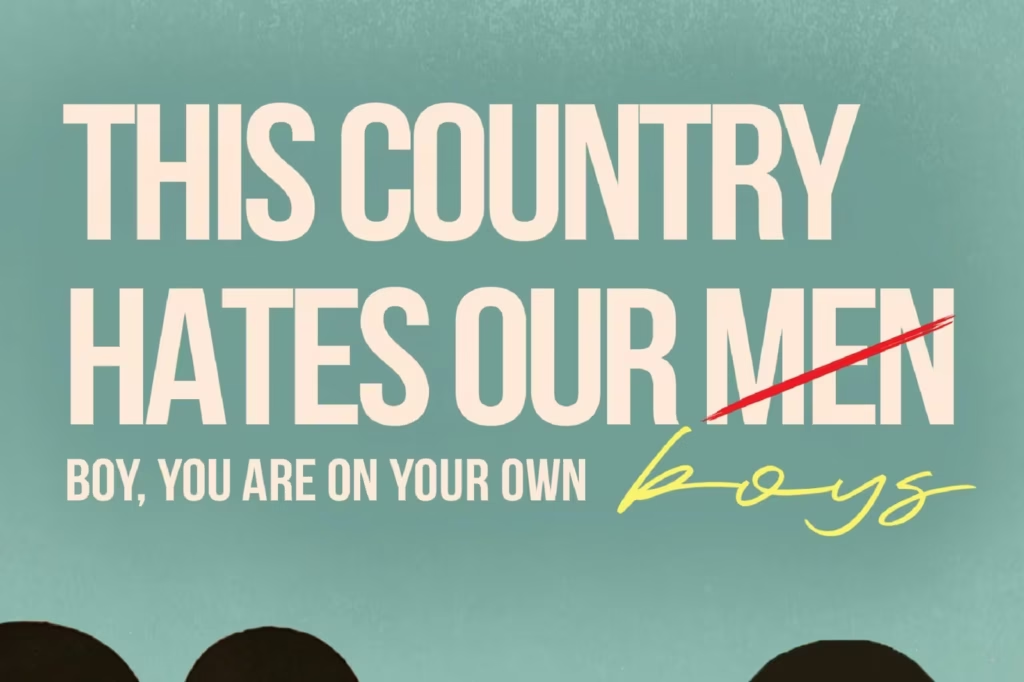
Recent publications have starkly highlighted the severity of this demographic blind spot. A comprehensive report recently detailed the alarming truths surrounding this issue, exposing the hidden crisis of boys’ mental health and urging society to dismantle harmful gender norms. The findings suggest that deep-rooted cultural expectations—specifically the archaic notion that “boys don’t cry”—are forcing young men to suppress severe psychological trauma.
This suppressed trauma frequently manifests in destructive behaviors, substance abuse, and tragically, rising youth suicide rates. Leading civic voices are now demanding immediate, structured interventions. In a powerful plea to domestic policymakers and educators, social analysts have clearly warned that our boys need help before this systemic neglect irreparably damages the social fabric of the country.
The Cultural Pressure to Suffer in Silence
The core of the issue lies in rigid societal expectations. From a young age, South African males are frequently socialized to equate emotional vulnerability with absolute weakness. This toxic expectation of hyper-masculinity prevents them from seeking professional psychiatric care when dealing with severe, overwhelming distress. When young men feel entirely alienated from their own emotions, the resulting internal conflict heavily impacts their academic performance and their eventual ability to secure sustainable jobs.
Furthermore, the lack of accessible, male-centric psychological support in provincial public clinics exacerbates the crisis. Mental health practitioners note that standard clinical approaches, historically designed for broad populations, often fail to resonate with young boys. These vulnerable demographics require highly specialized therapeutic environments to feel safe communicating their internal struggles without the fear of judgment.
Strategies to Protect the Next Generation from Mental Health Issues
Addressing this epidemic requires a unified approach from both the state and private business sectors. Corporate social responsibility programs must actively fund community-based mentorship initiatives that provide young boys with healthy, emotionally intelligent male role models. Schools urgently need to integrate comprehensive emotional literacy programs into their daily curriculums, explicitly teaching young men how to articulate anxiety and depression.
The integration of digital tech also offers a highly pragmatic solution. Anonymous, text-based counseling applications and AI-driven therapy chatbots are proving highly effective in bypassing the crippling stigma of physical clinic visits. These digital platforms allow young men to access critical psychiatric resources discreetly from their mobile devices, providing a vital lifeline during moments of acute crisis.
If South Africa intends to secure a stable and prosperous economic future, it must fundamentally revolutionize how it nurtures its young men. The long-term cost of ignoring this silent suffering is a generational tragedy the broader society simply cannot afford.
For more in-depth analyses on public wellness and medical policy, visit the Afrikeye homepage directly. You can also share your personal opinion or join our live AMA sessions with top clinical psychologists.