




The Economic Community of West African States (ECOWAS) Commission has officially launched a highly targeted series of regional stabilization operations in Ghana’s Ahafo Ano North municipal district. Commissioned between June 22 and 23, 2026, the extensive field deployments are fueled directly by the ECOWAS Persons of Concern Fund (formally operating under the 2024 Disaster Relief and Humanitarian Response allocation). By constructing automated water stations, building new school blocks, and providing direct commercial start-up machinery, the sub-regional bloc is acting to lift up highly vulnerable groups and protect remote host communities from escalating financial shocks.
The massive structural program introduces a high-impact, sustainable rehabilitation model explicitly tailored to maximize the utility of the ECOWAS Persons of Concern Fund. The joint field operations—implemented hand-in-hand with Ghana’s National Disaster Management Organisation (NADMO)—directly target internally displaced persons (IDPs), undocumented refugees, stateless individuals, and returning asylum seekers. This calculated deployment of resources provides critical relief to border regions currently managing intense resource constraints triggered by localized climate events and sub-regional security changes.
Developing Village Utilities to Secure Economic Independence
A primary structural bottleneck facing displaced populations across the West African sub-region is the total absence of predictable primary schooling setups and clean sanitation lines. To bridge these historical development gaps, the high-level diplomatic delegation commissioned four high-capacity community boreholes to eliminate severe water scarcity and protect local family wellness. Additionally, the field task force inaugurated two fully equipped primary school classroom blocks, providing children separated from their homes with immediate, unhindered access to high-quality foundational learning.
| Infrastructure Asset Deployed | Targeted Socio-Economic Objective | Measured Community Benefit |
|---|---|---|
| Four High-Capacity Boreholes | Deliver reliable drinking water and sanitation networks | Safeguards rural hygiene; cuts daily walking distances for water |
| Two Modern Classroom Blocks | Expand primary school infrastructure in remote nodes | Provides safe, free access to basic education for displaced children |
| Garri Processing Factory Plant | Decentralize agricultural value-added production lines | Creates an instant localized market for smallholder cassava crops |
| Vocational Start-Up Assets | Fund independent micro-entrepreneurship for women | Generates immediate household income; replaces aid dependency |
The successful opening of these decentralized manufacturing centers is reshaping the domestic business environment by building stable trade channels within rural farming communities. By integrating a dedicated garri processing factory directly into the municipal agricultural grid, the commission enables smallholder farming cooperatives to process raw cassava yields into stable commercial products locally. This processing capability stops post-harvest crop spoilage, stabilizes regional food costs, and shields local producers from predatory middleman trading rings.
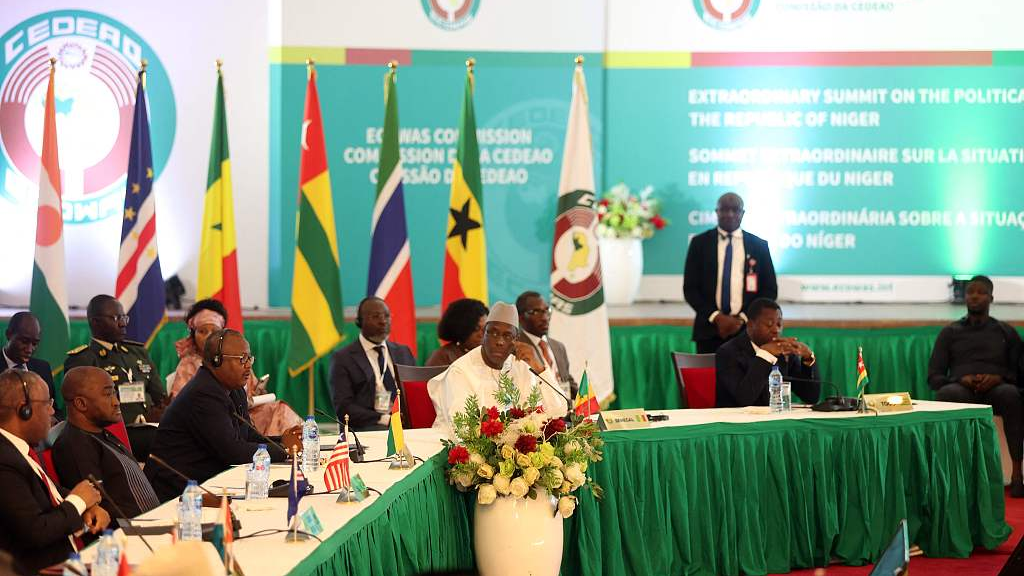
Funding Smallholder Trade Channels via the ECOWAS Persons of Concern Fund
To secure lasting economic recovery, the diplomatic team reinforced its physical infrastructure builds with targeted financial resource distribution. Operating under the guidelines of the ECOWAS Persons of Concern Fund, the commission provided comprehensive business training tracks to vulnerable female heads of household, covering commercial baking, raw material soap fabrication, and smallholder financial management. Upon graduation, these women received specialized start-up kits, roofing sheets, cement supplies, and direct business resources to launch independent enterprises.
The rapid implementation of these targeted recovery programs is creating thousands of stable jobs and agricultural consulting roles across the country’s rural public sectors. Ambassador Mohammed Lawan Gana, the ECOWAS Resident Representative to Ghana, emphasized during the commissioning ceremony that the $604,576 capital injection represents an investment in human dignity, moving the regional body toward its “Vision 2050” goal of transitioning from an association of states into an “ECOWAS of People.” This intentional evolution ensures that sub-regional development strategies prioritize localized poverty reduction over abstract political treaties within regional politics.
To trace development metrics and evaluate household income changes across the Greater Accra Region, administrative teams are introducing advanced information portals within the country’s growing tech sector. These secure platforms allow field analysts to map infrastructure gaps, monitor food security variables, and share logistics updates instantly with central planning hubs. This digital integration removes bureaucratic processing blockades, matching the transparent, data-driven tracking frameworks used by the Africa CDC emergency registry to handle cross-border administrative hurdles.
Independent development economists sharing their professional opinion columns emphasize that long-term community recovery cannot be sustained by temporary emergency relief packages alone. They argue that lasting stability requires constructing robust, value-added production models that protect basic health indexes while equipping the rural workforce with specialized technical skills. Incorporating automated data tracking and predictive ai resource mapping ensures that public relief allocations reach underserved communities exactly when local pressures peak, locking in a self-sustaining cycle of economic recovery.