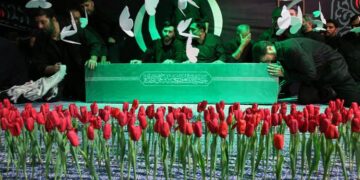





Tehran has entered a period of strict security control as the Islamic Republic prepares for a massive, multi-city state khamenei funeral for its late Supreme Leader. The body of Ayatollah Ali Khamenei lay in state at the Imam Khomeini Grand Mosalla Mosque on Friday, marking the beginning of a weeklong series of mourning processions. The 86-year-old cleric was killed on February 28, 2026, during the opening salvo of a devastating conflict with Israel and the United States. While early coverage detailed the immediate shock of the Ayatollah Ali Khamenei death news, the state burial was delayed for months until a recent interim truce cleared the way for mass public gatherings.
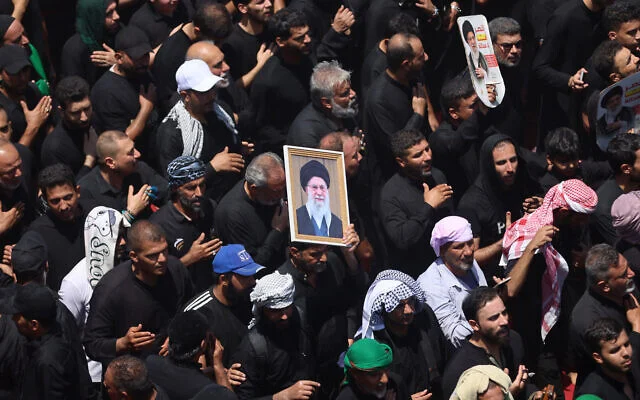
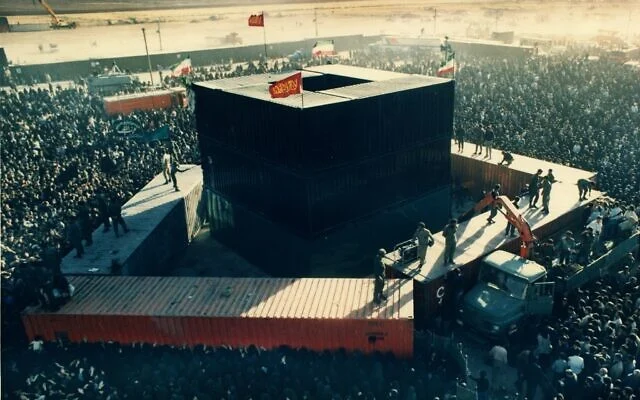
The government expects between 15 and 20 million mourners to flood the streets of the capital starting Saturday, an event designed to mirror the historic 1989 burial of the republic’s founder, Ruhollah Khomeini. For a regime riding high from surviving an existential military campaign, the massive scale of the proceedings serves as an aggressive display of state power and national mobilization. However, independent observers note that beneath the state-mandated mourning, domestic fractures remain deep following years of economic isolation and a heavy-handed domestic crackdown on public protests earlier this year.
Strait of Hormuz Tensions Escalate Ahead of the Khamenei Funeral
The geopolitical stakes surrounding the Khamenei funeral extend far beyond the capital’s prayer halls. Mirroring the severe regional volatility, Iran’s joint military command issued a strict warning to global shipping networks on Thursday. The military declared that all oil tankers traversing the vital Strait of Hormuz must strictly adhere to Tehran-approved maritime routes or face a forceful response. This sudden escalation directly challenges recent joint security guarantees issued by Western forces in Bahrain, threatening to revive the intense maritime standoffs that drove major spikes in geopolitical fallout and volatile oil prices during the peak of the war.
Concurrently, Iranian officials have issued direct warnings to Washington and Israel against executing any military maneuvers during the mourning period. Foreign Minister Abbas Araghchi stated that any aggressive miscalculation would meet an immediate and crushing retaliation. Security measures have been heightened nationwide, with the Civil Aviation Organization implementing temporary airspace restrictions over major hubs as Iran prepares for the dayslong funeral. The political transition also remains highly opaque; Khamenei’s son and designated successor, Mojtaba Khamenei, was reportedly wounded in the initial February airstrike and has not appeared in public imagery since assuming office, leaving his attendance at the upcoming ceremonies uncertain.
The logistical scale of the event has completely altered domestic infrastructure. Regional transport networks have been redirected, public offices closed, and local accommodations heavily subsidized to manage the influx of domestic and international visitors. Following the massive procession in central Tehran, the coffins—which include those of family members killed alongside the Supreme Leader—will be transported to the seminary city of Qom on Tuesday. The procession will then cross borders into Iraq’s major Shi’ite centers of Najaf and Kerbala on Wednesday, drawing prominent figures from Iran’s regional network before the final burial in Mashhad on Thursday, July 9.
For analysts monitoring global politics via the main news portal, the long-term stability of the region hinges on the days ahead. While the state leverages the potent symbolism of martyrdom to solidify its internal base, international flight operators and logistical firms coordinating regional travel arrangements are keeping a close watch on the shifting airspace and maritime protocols dictating Persian Gulf security.