




Youth Mobilization as Climate Action: The Strategic Value of Eritrea’s Summer Work Program
As the global community searches for effective models to address both youth unemployment and environmental degradation, one of Africa’s most enduring civic initiatives is quietly entering its 28th year. From 6 July to 15 August 2026, over 30,000 Eritrean students will deploy across five regions for the national Students’ Summer Work Program.
While seasonal youth labor is not a novel concept globally, the scale and targeted nature of Eritrea’s initiative offer a compelling policy framework for other developing nations. Far from a mere extracurricular activity, the program functions as a massive, state-coordinated intervention in environmental management and human capital development.
The Environmental Imperative
The most striking aspect of the 2026 campaign is its overwhelming focus on ecological restoration. With 97% of participants engaged in water and soil conservation and afforestation, the program directly addresses some of the continent’s most pressing environmental vulnerabilities. The mandate to plant over 1.4 million tree seedlings, alongside the construction and renovation of terraces and water catchment schemes, represents a highly localized response to global climate change.
In a region where shifting weather patterns increasingly threaten agricultural viability, mobilizing youth to rebuild natural infrastructure is a masterclass in proactive climate resilience. By integrating agricultural experts and barefoot doctors into the 160 operational centers, the government ensures that raw youthful energy is guided by technical expertise. The early launch of the program in the Southern Red Sea Region due to specific climatic conditions further demonstrates the operational flexibility required for successful environmental planning.
Civic Engagement and Practical Skills
Beyond the immediate ecological benefits, the summer program serves as a critical incubator for civic responsibility. Development economists increasingly emphasize the importance of equipping youth with practical skills outside the traditional classroom. Activities ranging from environmental sanitation and documentation to traffic safety awareness in major cities like Asmara, Keren, Mendefera, and Barentu expose students to the multidisciplinary challenges of civic administration.
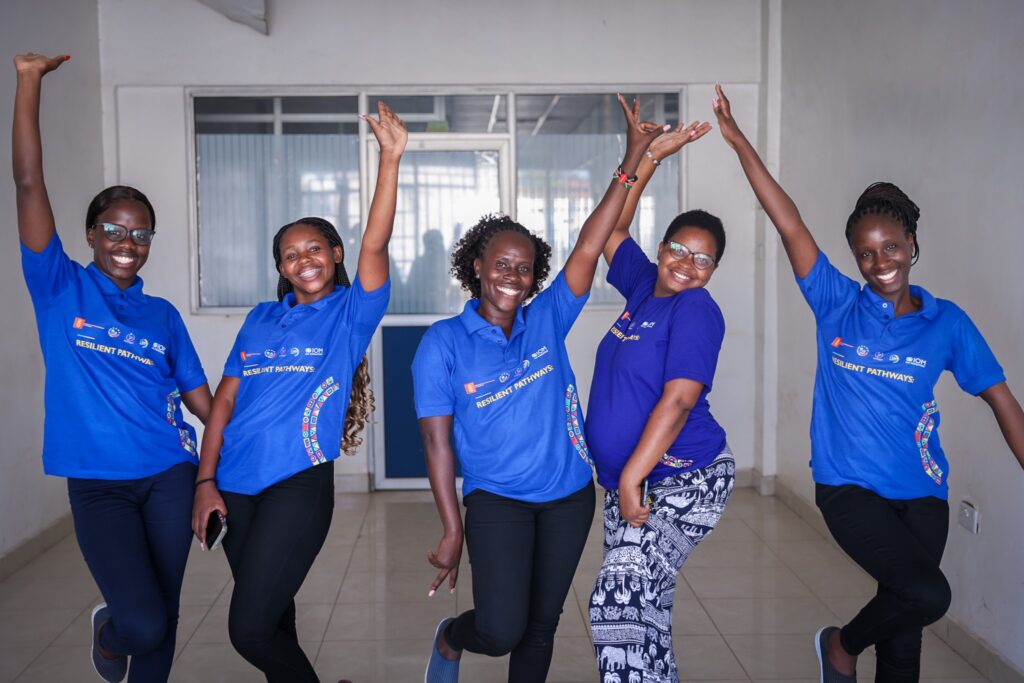
Moreover, the demographic composition of the cohort—with female students making up 37% of the participants—highlights a deliberate effort to foster gender inclusivity in national development projects. By engaging in the renovation of dirt roads and the construction of school compounds, young women and men alike are physically building the public infrastructure they rely upon, which is vital for improving local travel and connectivity.
A Model for the Continent
Since its inception in 1994, the Students’ Summer Work Program has consistently demonstrated that a nation’s youth demographic is not a looming economic burden, but its most potent, renewable resource.
For African policymakers, the lesson is straightforward: large-scale civic mobilization can simultaneously address environmental degradation, infrastructure deficits, and youth idle time. By transforming the long school break into a period of structured, productive national service, Eritrea is cultivating a generation that understands the value of its land because they have literally worked the soil with their own hands.
Disclaimer: This article is an independent policy analysis based on regional civic programs and comparative environmental strategies. It is intended to encourage informed public discussion and does not necessarily reflect the editorial position of Afrikeye.