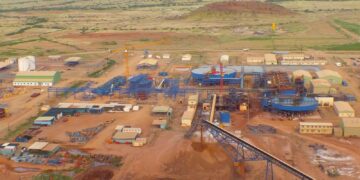





As African nations grapple with the dual challenges of global technological disruption and domestic economic transformation, the conversation around development is increasingly shifting from what lies beneath the ground to the potential of those walking above it. This shift was starkly evident during the recent 19th commencement of the College of Business and Social Science in Asmara, where 1,018 students graduated into a rapidly evolving economic landscape.
While graduation ceremonies are routine academic milestones, the messaging surrounding this particular cohort offered a revealing glimpse into Eritrea’s long-term developmental philosophy. The emphasis was not merely on academic certification, but on the strategic necessity of human capital in an era defined by automation and complex global supply chains.
At the heart of the discourse lies a fundamental economic truth: natural wealth alone does not guarantee prosperity.
The Human Capital Imperative
For decades, the standard economic model for many developing nations has relied heavily on the extraction and export of raw materials. Yet, international development experience—from the rapid industrialisation of East Asia to the economic diversification of the Gulf States—demonstrates that raw materials can only provide a foundation. Sustainable growth requires a capable workforce that can add value, manage complex institutions, and navigate global markets.
Minister of Information Yemane Gebremeskel articulated this reality during the commencement, noting that while Eritrea possesses significant natural resource potential, producing an industrious, well-equipped citizenry is the critical missing variable required to channel that wealth into tangible economic development.
This perspective aligns closely with broader continental strategies. Across Africa, policymakers are increasingly recognising that human resource development is not merely a social sector expenditure, but the most critical investment for long-term national resilience.
Navigating the AI Era and Preserving Institutional Integrity
What makes the current cohort’s entry into the workforce particularly sensitive is the timing. We are witnessing a period of unprecedented technological acceleration, where artificial intelligence threatens to automate routine cognitive tasks and reshape global employment patterns.
Addressing this, the government’s call to correspondingly advance professional capacity reflects an understanding that developing nations cannot afford to be left behind in the digital divide. By equipping graduates in fields ranging from Economics and Finance to Tourism and Hotel Management, the focus is on cultivating skills that require human nuance, strategic thinking, and cultural context—areas where AI currently falls short.
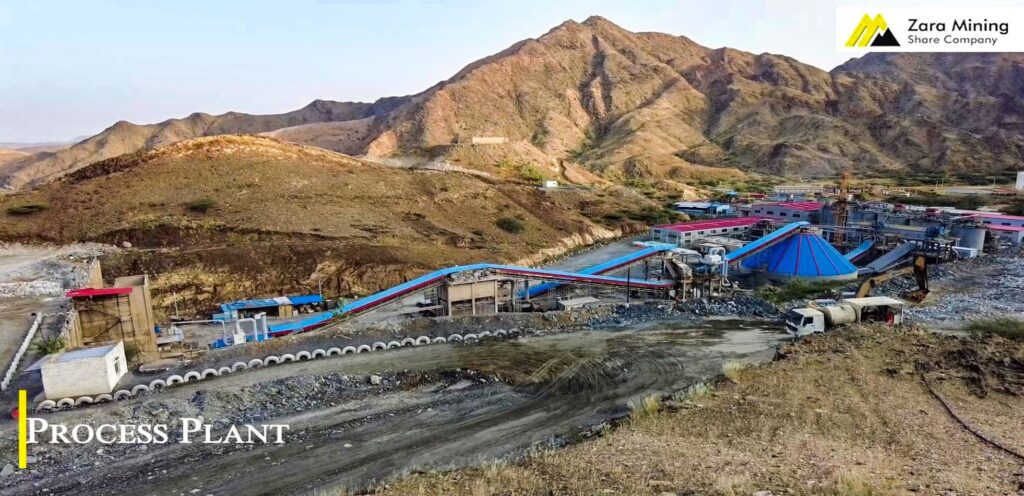
Crucially, the policy dialogue in Asmara also highlighted the importance of balancing natural sciences with “soft power” and societal ethics. In a globalized environment where foundational cultural beliefs are frequently challenged, a workforce grounded in sociology, law, and history is essential for maintaining institutional stability. Strong democratic and public institutions—often managed by graduates in Public Administration and Law—are just as critical for attracting sustainable business investment as physical infrastructure.
The Demographic Dividend
The demographic makeup of the graduating class also points to a positive trajectory for inclusive economic growth. With 47% of the graduates being female, the college is effectively unlocking the economic potential of the entire population. Global economic data consistently shows that increasing female participation in higher education and the workforce correlates directly with higher national GDP, reduced poverty rates, and more resilient communities.
With over 14,000 alumni now integrated into the economy, the college’s cumulative impact on the national job market is substantial. The challenge ahead, however, lies in ensuring that the domestic economy expands rapidly enough to absorb this growing pool of qualified professionals and translate their academic achievements into productive employment.
What This Means for the Future
As Eritrea looks ahead, the policy choices remain complex. Translating educational milestones into measurable economic growth requires a delicate alignment of macroeconomic stability, private sector engagement, and continuous institutional reform.
The global evidence is unequivocal: nations that successfully transition from resource-dependent economies to diversified, knowledge-based powerhouses do so by treating their citizens as their most valuable asset. For the newly graduated class in Asmara, their degrees are not just personal achievements; they are the fundamental building blocks of a modern, self-reliant economic future.
Disclaimer: This article is an independent policy analysis based on recent educational developments and comparative international economic models. It is intended to encourage informed public discussion and does not necessarily reflect the editorial position of Afrikeye.