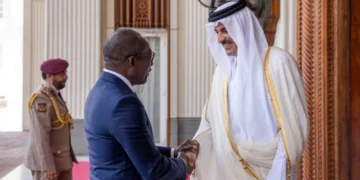





As the geopolitical axis continues to shift toward the Global South, the recent diplomatic engagement between Doha and Porto-Novo offers a subtle but significant indicator of the Gulf’s evolving strategy in West Africa. This weekend’s telephone conversation between Qatar’s Minister of State at the Ministry of Foreign Affairs, Dr. Mohammed bin Abdulaziz bin Saleh Al Khulaifi, and Benin’s newly appointed Foreign Minister, Corinne Amori Brunet, was ostensibly a routine congratulatory call. However, viewed through the lens of regional macroeconomics and foreign policy, it underscores a deliberate acceleration of Gulf-Africa strategic relations.
While the conversation naturally touched upon the deepening of bilateral cooperation, its broader significance lies in the timing and the structural shifts occurring across the continent.
The Gulf’s Expanding Footprint
For much of the past decade, Gulf states have systematically expanded their diplomatic and economic footprints across Africa, moving beyond traditional donor-recipient dynamics to establish robust partnerships anchored in trade, infrastructure investment, and geopolitical mediation. Qatar, in particular, has positioned itself as a pivotal diplomatic actor, balancing major power competition while seeking reliable partners in emerging markets.
Benin, a stable democratic nation strategically positioned along the Gulf of Guinea, represents an attractive partner in this matrix. As neighboring countries navigate complex political transitions and security challenges, Benin has quietly focused on strengthening its democratic institutions and modernizing its economy. For Doha, engaging with steady leadership in Porto-Novo provides a reliable entry point into a West African hub that is vital for regional trade and maritime security.
Economic Diplomacy as the New Frontier
The explicit mention of discussing the latest developments on the African continent suggests that this bilateral relationship is not operating in a vacuum. The African landscape is currently defined by a push for continental integration and the urgent need for infrastructure financing. Gulf nations possess the capital and the strategic imperative to diversify their post-oil economies, making their investments highly complementary to Africa’s developmental trajectory.
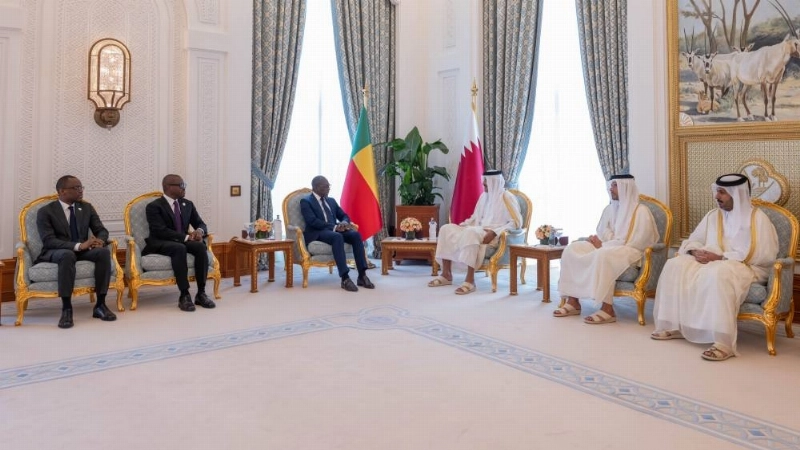
For Benin, strengthening ties with Qatar aligns perfectly with its own imperative to attract foreign direct investment outside of its traditional European partnerships. The macroeconomic reforms currently underway in Benin require substantial capital, particularly in sectors such as agriculture, port logistics, and digital infrastructure. Deepening bilateral relations with a resource-rich state like Qatar provides Porto-Novo with alternative avenues for sovereign financing and technical cooperation.
A Shifting Diplomatic Landscape
As new leadership takes the helm at Benin’s foreign ministry under Corinne Amori Brunet, the proactive outreach from Doha signals that Middle Eastern powers are paying close attention to ministerial transitions in African capitals. This proactive diplomacy reflects a broader understanding that the future of global economic growth will be heavily influenced by the political alignments forged on the African continent today.
Ultimately, the dialogue between Qatar and Benin is a microcosm of a larger structural realignment. It demonstrates that African nations are successfully diversifying their international partnerships, while Gulf states are recognising that long-term strategic influence requires consistent, high-level diplomatic engagement across the continent.
Disclaimer: This article is an independent policy analysis based on recent diplomatic developments and comparative international relations. It is intended to encourage informed public discussion and does not necessarily reflect the editorial position of Afrikeye.