




Empowering the Educators: Why Eritrea’s Focus on Teacher Capacity is Critical for National Development
When the Central Committee of the National Association of Eritrean Teachers convened in Asmara for its second regular meeting this July, the agenda went far beyond routine administrative reviews. The two-day session, led by Chairman Simon Mehari, highlighted a strategic pivot in how educational development is approached: treating teachers not merely as civil servants, but as the foundational architects of long-term economic and social resilience.
Across Africa, governments frequently grapple with educational reform by focusing disproportionately on curriculum changes or top-down mandates. However, international development data consistently demonstrates that the single most decisive factor in a student’s success is the quality of the educator. The association’s primary recommendation instituting sustainable training programs aligns perfectly with this global consensus. Upgrading the capacity of teachers through continuous professional development ensures that educators can adapt to modern pedagogical demands and shifting socioeconomic realities.
The Institutional and Grassroots Approach
What makes the recent resolutions particularly noteworthy is their holistic view of the educational ecosystem. The teaching-learning process does not exist in a vacuum. By emphasizing the expansion and renovation of school buildings, the committee acknowledged that physical infrastructure remains a critical enabler of quality education. A conducive learning environment directly correlates with higher student retention and better academic outcomes.
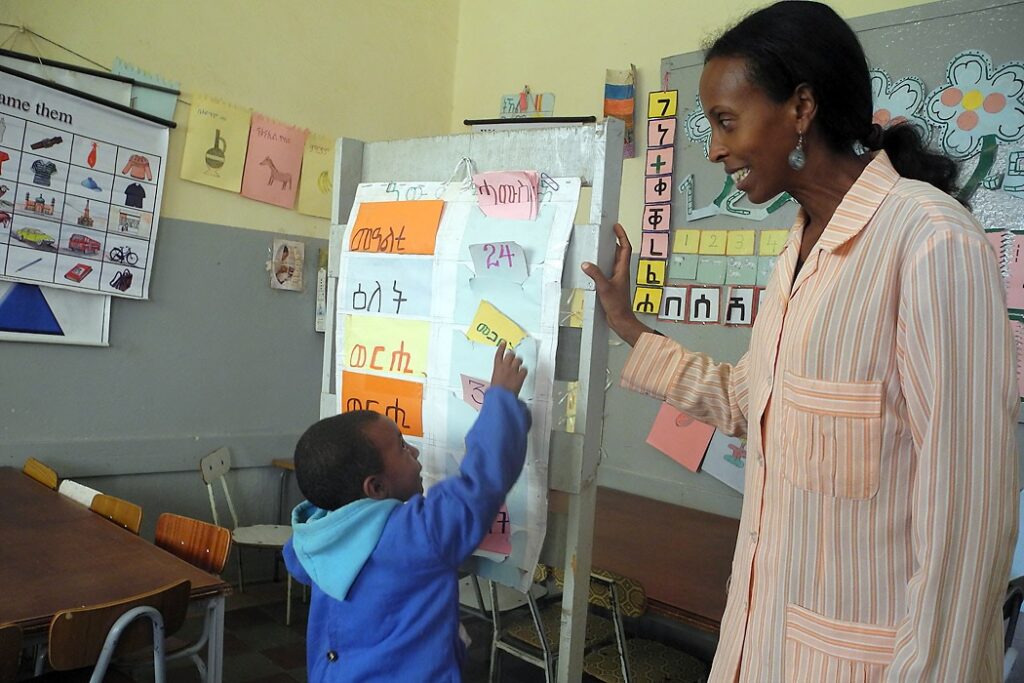
Equally significant is the association’s call to raise the awareness of the community regarding its vision and programs. Historical evidence from successful educational models in developing nations shows that schools thrive when they are deeply integrated into their local communities. When parents and local leaders understand and participate in the educational framework, schools transform from isolated state institutions into collaborative community hubs. This grassroots engagement is essential for ensuring that educational reforms are sustainable and culturally relevant.
A Roadmap for the Future
As representatives from regional offices, Sawa, and the central office presented their operational reports, a unified national strategy began to emerge. The focus on coordination across different administrative levels reflects a mature understanding of policy implementation. Grand visions require meticulous, decentralised execution to create a measurable impact.
Ultimately, the discussions held in the capital signal a clear recognition that national development is inextricably linked to the classroom. By prioritising the professional empowerment of educators and fostering deep community ties, Eritrea is laying the groundwork for a more robust and self-sustaining educational infrastructure. For any nation looking to build long-term prosperity, investing in those who shape the next generation remains the most secure strategy of all.
Disclaimer: This article is an independent policy analysis based on recent institutional developments and comparative educational models. It is intended to encourage informed public discussion and does not necessarily reflect the editorial position of Afrikeye.