




The Blue Economy Bridge: Why Seychelles and the Dominican Republic are Forging New Island Alliances
As global supply chains face mounting volatility and climate change disproportionately threatens coastal nations, Small Island Developing States (SIDS) are increasingly bypassing traditional global powers to forge direct strategic alliances. The impending accreditation of Renso Antonio Herrera Franco as the first Ambassador of the Dominican Republic to Seychelles represents far more than a ceremonial diplomatic milestone. It signals a calculated alignment between two maritime heavyweights aiming to pool their influence across the Caribbean and the Indian Ocean.
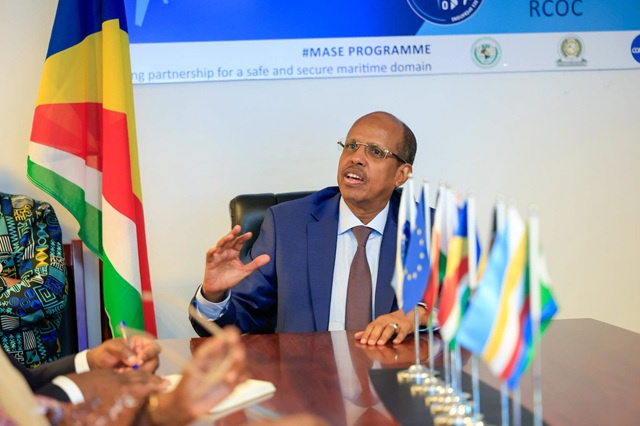
For Africa, Seychelles continues to serve as the continent’s premier laboratory for the Blue Economy. By initiating a General Cooperation Agreement with the Dominican Republic, Victoria is effectively expanding Africa’s diplomatic footprint in marine governance. The July 6 discussions held between Seychelles Minister for Foreign Affairs Barry Faure and Ambassador-designate Herrera Franco highlighted a shared imperative: transitioning marine conservation from a purely environmental talking point into a cornerstone of sustainable business development.
The economic pragmatism of this alliance is most visible in the proposed Visa Waiver Agreement. In an era where African and Caribbean passports often face significant travel friction, eliminating visa barriers is a powerful mechanism for accelerating trade. Such bilateral agreements facilitate the immediate exchange of technical expertise ranging from sustainable fisheries management to luxury hospitality standards. For the broader African market, enhanced connectivity between Indian Ocean hubs and the Caribbean creates lucrative, non-traditional pathways for South-South foreign direct investment and tourism expansion.
Crucially, the diplomatic engagement goes beyond signing inactive memorandums. The decision to establish a Joint Commission ensures that these shared goals translate into measurable action. By committing to regular structural consultations and virtual monitoring of implemented projects, both nations are laying the groundwork for a resilient institutional partnership. This formalized political cooperation allows both states to share critical best practices in mitigating the environmental and economic shocks that disproportionately impact island economies.
As Ambassador Herrera Franco officially assumes his historic post on July 7, 2026, the diplomatic architecture being constructed between Victoria and Santo Domingo will be closely watched by other regional actors. The trajectory of Seychelles Dominican Republic relations demonstrates that the future of international diplomacy for developing nations lies not in waiting for global consensus, but in building agile, cross-regional partnerships anchored in shared vulnerabilities and mutual economic ambitions.
Disclaimer: This article is an independent policy analysis based on recent diplomatic engagements and comparative international economic models. It is intended to encourage informed public discussion and does not necessarily reflect the editorial position of Afrikeye.