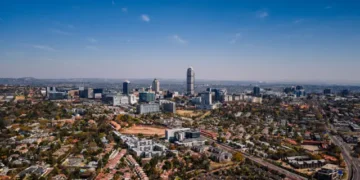





South Africa is witnessing a rapid reversal of one of its most defining demographic shifts of the past decade. The much-celebrated migration of professionals to the scenic Western Cape is unwinding as soaring property costs and an unyielding cost of living drive middle-class households back to the economic engine of Gauteng. This trend serves as a cautionary tale for the wider continent about the limits of premium urban enclaves in emerging markets, illustrating how housing affordability will ultimately dictate the future of Africa’s megacities, much like the current situation in Cape Town.
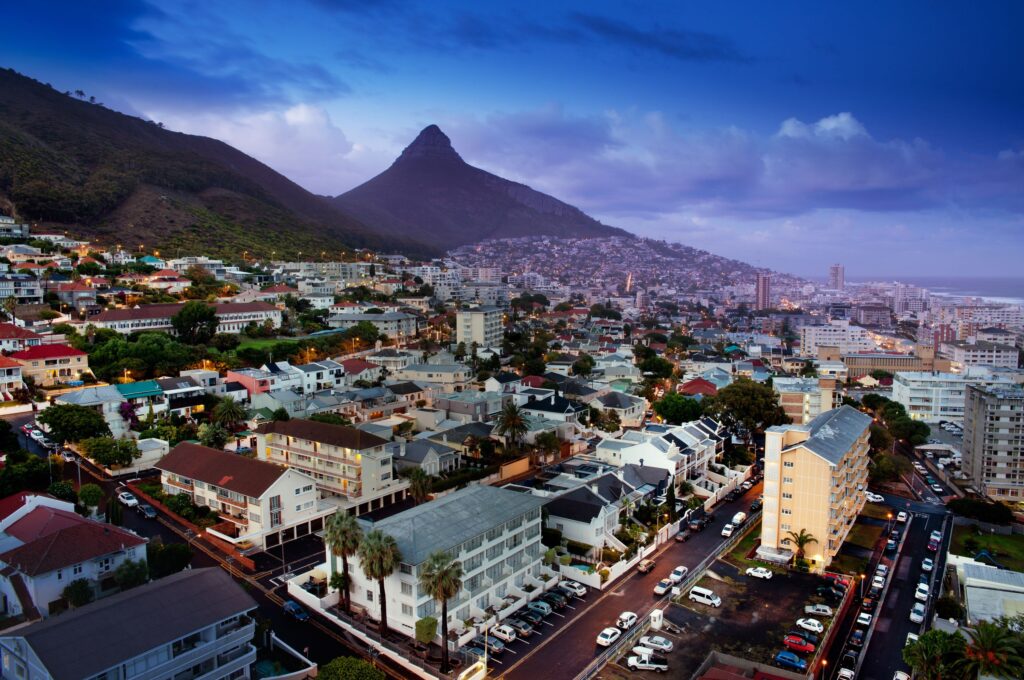
For years, Cape Town was the undisputed destination of choice for skilled workers seeking a better quality of life. The coastal city is undoubtedly winning on lifestyle but losing homebuyers on affordability. Excellent municipal services, mountain vistas, and a thriving culture of outdoor and lifestyle sports made it a sanctuary for those escaping the deteriorating infrastructure in other provinces. However, this success has come at a severe financial cost. As Western Cape property prices soar to unprecedented heights, a stark economic reality is setting in for prospective buyers who are finding themselves priced out of the coastal dream.
The financial squeeze has catalyzed a clear return to Gauteng from Cape Town, a province that remains the undeniable beating heart of Southern African commerce. As this reverse migration gains momentum, Johannesburg and Pretoria are offering substantially better value for money in the property market. Professionals are realising that the capital freed up by more reasonable housing costs can be redirected into education, investments, and business ventures, making the northern province highly attractive despite its well-documented service delivery challenges.
The wider implications of this shift away from Cape Town hold profound lessons for urban planners and policymakers from Lagos to Nairobi. When a city becomes too expensive for the very professionals who drive its tech innovation and service sectors, it risks economic stagnation. Gauteng’s resurgence is heavily tied to its robust employment market, proving that while lifestyle is a strong draw, economic pragmatism ultimately rules the African professional class. Cities across the continent are learning that housing affordability is not merely a social issue but a critical economic imperative.
Furthermore, these shifting demographics will undoubtedly influence local political landscapes. As taxpayers return to Gauteng, local governments there are presented with a crucial opportunity to recapture the confidence of the middle class through improved governance and infrastructure renewal. Conversely, leaders in Cape Town and the broader Western Cape must grapple with the unintended consequences of their own success, figuring out how to build inclusive urban spaces rather than exclusive enclaves for the ultra-wealthy.
Looking ahead, this growing wave of relocation will likely force a re-evaluation of property developments across the country. Developers may need to pivot towards more accessible, high-density housing, while Gauteng could see a revitalization of its suburban nodes to retain this returning tax base. For African real estate investors and governments alike, the message is clear: the cities that will thrive in the coming decades are not just those that offer the best views, but those that can provide sustainable, affordable living for the working professionals who build them.