




African Energy Chamber ccCASH Partnership Overview
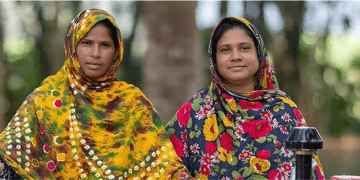
The African Energy Chamber ccCASH partnership marks a major shift in how climate finance reaches ordinary people across the continent. Instead of complex, project-based funding models, this initiative places African households at the center of the clean energy transition.
Africa news continues to highlight the continent’s struggle with energy access. More than 200 million households still depend on polluting fuels such as firewood, charcoal and kerosene. These fuels damage health, degrade the environment and deepen energy poverty.
Africa’s Clean Cooking and Energy Crisis
Despite years of clean cookstove programs, progress has been slow. Adoption remains limited due to weak incentives, fragmented investment systems and poor access to climate finance.
The clean cooking climate finance Africa challenge is not only about technology. It is about affordability, trust and long-term incentives for households. Without direct benefits, many families cannot sustain the transition to clean energy solutions for Africa.
How ccCASH Works for African Households
Through the African Energy Chamber ccCASH partnership, a new digital system is introduced. The ccCASH platform creates a shared infrastructure that tracks and verifies:
-
Social and economic co-benefits
The platform supports multiple technologies, including biogas systems, LPG, ethanol, and electric cooking. Its technology-neutral design ensures inclusion. Small providers and service companies—often excluded from traditional carbon markets—can now participate.
Climate Finance Meets Household Impact
Unlike traditional carbon credit models, ccCASH rewards households directly. Families earn benefits for verified climate and social outcomes generated through clean cooking solutions.
This approach transforms households from passive beneficiaries into active participants in Africa’s energy transition. It also ensures that climate finance delivers immediate and measurable impact at the community level, supporting an African narrative transformation plan.
Role of African Energy Chamber in ccCASH Expansion
Under the Memorandum of Understanding, the African Energy Chamber will promote ccCASH across its pan-African network. The Chamber will align the initiative with national energy transition plans, climate strategies, and clean cooking policies.
Meanwhile, (B)energy will lead platform development, technical deployment and engagement with governments and private partners. You can explore more Africa-focused initiatives and regional developments through our internal coverage on Africa news, including insights available at: 👉 https://travel.afrikeye.com/
Unlocking ESG and Private Sector Investment
By aggregating verified household data, ccCASH supports government climate commitments such as Nationally Determined Contributions (NDCs). It also opens doors for ESG-linked investments and Article 6-aligned climate finance.
This makes the African Energy Chamber ccCASH partnership attractive to investors seeking high-integrity climate projects with real social impact, similar to the energy investment strategies discussed at the Namibia energy investment conference.
For further reading on Africa’s energy transition, visit the African Energy Chamber official website: 👉 https://energychamber.org/ (DoFollow external link)
More details on clean cooking finance innovation can also be found via APO Group Africa Newsroom: 👉 https://www.apo-group.com/ (DoFollow external link)
Leadership Voices on the Partnership
NJ Ayuk, Executive Chairman of the African Energy Chamber, emphasized that clean cooking is not only a technical issue. He stated that the partnership delivers an African-led solution that mobilizes climate finance while improving livelihoods across the continent.
Katrin Puetz, CEO of (B)energy, described the agreement as a defining moment for ccCASH, enabling collaboration among energy companies, governments and development partners.
What This Means for Africa’s Energy Transition
The African Energy Chamber ccCASH partnership represents a long-term, scalable solution for clean cooking adoption. By focusing on households, it strengthens local service ecosystems and accelerates Africa’s broader energy goals, including power generation strategies for the MSGBC Basin and regional policies like the ECOWAS draft policy on minerals.
In early 2026, stakeholders from across Africa will be invited to participate in pilots, co-investment opportunities and national rollouts. This positions ccCASH as a practical gateway for climate finance linked directly to household impact.
As Africa news continues to track the continent’s energy journey, this initiative stands out as a model for inclusive, results-driven climate action.