




A massive toxic spill at a Chinese-owned copper mine in northern Zambia has raised alarm over the industrial waste Zambia produces and the long-term effects of copper extraction pollution on local communities. The incident highlights the ongoing challenges of balancing mineral development with environmental protection in Africa’s mineral-rich regions.
Dam Collapse Devastates Local Waterways
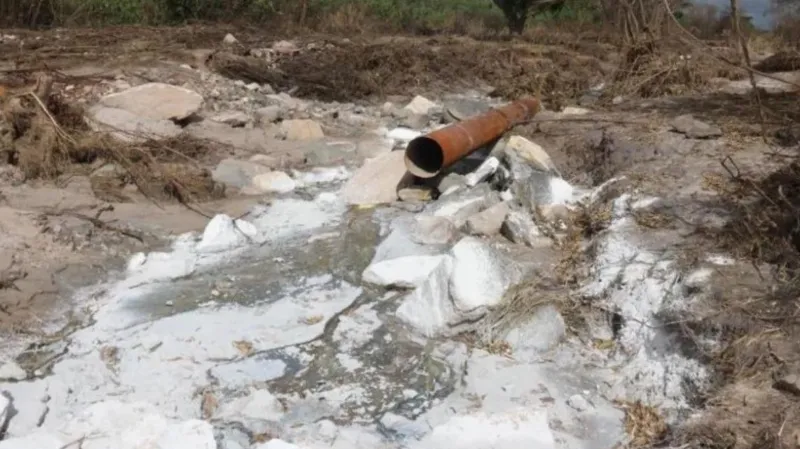
In February 2025, a tailings dam at the Sino-Metals Leach Zambia mine collapsed, releasing at least 50,000 tonnes of acidic debris into tributaries of the Kafue River, Zambia’s longest river. Environmentalists warn the spill could have been as high as 1.5 million tonnes. The contamination has killed fish, rendered water undrinkable, and destroyed crops in Chambishi and Kitwe.
Dr. Mweene Himwiinga, a senior lecturer at Copperbelt University, warns that toxic metals including arsenic, mercury, and lead can cause kidney damage, cancers, and gastrointestinal issues. With the rainy season underway, these pollutants risk spreading further, posing a long-term environmental impact Zambia.
Workers and Communities Affected
Local workers, including one who requested anonymity as Lamec, reported inadequate protective gear and unsafe working conditions even before the dam collapsed. Families like those in Twalima village are struggling with food shortages and contaminated water. Children are at risk of malnutrition, while adults report health issues linked to the polluted water.
Sino Metals has pledged compensation and environmental remediation, but full clean-up efforts remain delayed due to coordination challenges with consultants. Some locals have received partial financial compensation, though others claim the payments were insufficient or required waiving future claims.
China-Zambia Relations and Mining Accountability
The mine, operated by a subsidiary of a Chinese state-owned company, has created jobs and revenue for Zambia, with more than 30,000 positions reported across Chinese-owned businesses in the country. China remains one of Africa’s largest investors in the mineral sector, though criticism over environmental mismanagement and lack of local skill development persists.
In September, 176 farmers filed an $80 billion lawsuit against Sino Metals and NFC Africa for damages caused by the spill. The case is being viewed as a key test of African countries’ ability to hold foreign mining companies accountable for industrial waste Zambia and copper extraction pollution.
Government Response and Future Risks
Zambia’s authorities have directed Sino Metals to implement mitigation measures, including soil liming and tree planting to reduce contamination. Despite the country’s $5 billion debt to China, officials insist that national safety and environmental interests take precedence.
Dr. Douty Chibamba, Permanent Secretary for Green Economy and Environment, emphasized:
“There is no treating them [China] with kid gloves here… We don’t care whether we owe them, that’s not the issue.”
Experts warn that without effective remediation, toxic metals may remain in the soil and waterways for over a decade, causing prolonged environmental impact Zambia.

Moving Toward Safer Mining Practices
This incident underscores the urgent need for Zambia and other African nations to prioritize safe and sustainable mining practices. Balancing foreign investment with environmental protection and local livelihoods is essential to prevent future disasters linked to copper extraction pollution.
Plan safe eco-travel and visit Zambia: https://travel.afrikeye.com/
This story was first reported by BBC News. Read the full article here.