




The high-stakes battle over state-regulated compensation floors reached a decisive climax in the American heartland during the latest legislative primary cycle. The final ballot tallies revealed a major victory for corporate consortiums as citizens ultimately voted to keep the baseline minimum wage locked at its historic rate. This highly anticipated electoral outcome maintains the long-standing status quo, rejecting a multi-year grassroots campaign designed to aggressively scale baseline earnings for low-income families.
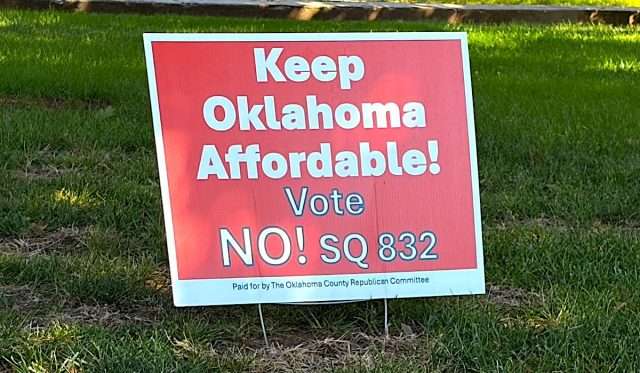
The ballot initiative, officially designated as State Question 832, sought to systematically decouple the state’s baseline pay rate from the federal floor of \$7.25 per hour. Had the measure passed, the mandatory baseline pay would have reached \$15 per hour by 2029 through a sequence of incremental annual adjustments. For comprehensive local reporting on how this measure originally split public opinion, observers can track the detailed Impact Policies analytical overview covering the deep institutional divisions.
The primary election day was marked by high administrative tension as voters evaluated several high-profile legislative positions alongside the monumental economic ballot. To review the complete distribution of items put before the electorate, readers can consult the breakdown on the Tulsa Flyer election day ballot register. This comprehensive legislative slate set the stage for a dramatic reshuffle of the sub-regional legislative framework.
The defeat of the ballot statute represents a powerful victory for prominent commercial lobbying bodies, including the State Chamber of Oklahoma and the Oklahoma Farm Bureau. Business leaders argued that doubling entry-level labor costs would force small retail shops to eliminate staff or permanently shut down operations. This persistent messaging successfully resonated within conservative districts, heavily influencing the direction of regional politics and reinforcing traditional fiscal frameworks.
Conversely, grassroots coalitions under the “Raise the Wage Oklahoma” banner expressed deep disappointment over the official election statistics, pointing out that working families continue to face unprecedented economic pressures. Labor advocates highlighted empirical tracking metrics showing that the cost of consumer groceries, housing, and energy has increased by more than 50 percent since the minimum wage was last updated in 2009. This economic reality continues to place a substantial burden on families trying to sustain an independent business or household.
The wide-scale policy divergence between labor organizers and corporate executives highlights a persistent debate that stretches across multiple industrial sectors. While corporate groups celebrate the preservation of competitive corporate margins, worker unions warn that stagnation directly damages the availability of stable jobs. This structural tension remains a primary focal point for local editorial teams publishing their economic opinion columns.
Analyzing the Economic Fallout of the Oklahoma Minimum Wage Vote
The official election tallies showed that the measure was rejected by a margin of 55.38 percent to 44.62 percent, with rural counties overwhelmingly driving the negative vote. To explore the detailed breakdowns of the parallel gubernatorial and treasury primary outcomes, observers can track the Oklahoma Farm Report legislative analysis detailing how specific candidate battles influenced voter turnout. This sweeping electoral outcome cements conservative fiscal oversight across municipal budgeting departments.
The rejection of the minimum wage amendment means that Oklahoma remains one of twenty states that continue to utilize the federal baseline rate of \$7.25 per hour. Labor economists note that this prolonged stagnation means the state floor has not been modified in seventeen consecutive years, representing the longest period without a wage floor adjustment since the system’s creation. The ongoing failure to update the minimum wage floor keeps the region’s wage architecture well below the national average seen in other states.
To address these persistent poverty challenges, progressive city councils are exploring whether they can integrate advanced automated scheduling tools and modern analytics to optimize municipal resource distribution. The modern public administration sector relies heavily on sophisticated data management platforms and secure database tech infrastructure to deliver targeted financial assistance to vulnerable households. By leveraging decentralized tracking registries, city managers can evaluate neighborhood income levels and choose to mitigate the negative social effects of a suppressed minimum wage without relying on legislative mandates.
Furthermore, tech-focused development groups are working to launch specialized remote vocational training programs to help entry-level workers transition into high-paying modern fields. Integrating advanced machine learning applications and modern ai learning suites allows students to acquire complex software engineering skills from their own homes. Over time, cultivating these advanced technical proficiencies remains essential to insulate the local workforce from macro-economic volatility and corporate wage compression.
Beyond the immediate financial implications, keeping the entry-level wage floor at its current low rate creates significant secondary challenges for public health networks. Medical studies indicate that low baseline earnings are directly linked to poor pediatric nutrition, housing instability, and elevated stress levels among working parents. Ensuring that vulnerable families gain access to subsidized medical treatment and clean water delivery systems remains a paramount priority to safeguard general community health variables.
As the legislative primary cycle concludes, the debate surrounding statutory compensation boundaries will undoubtedly move back into the halls of the state legislature. Despite the clear defeat of State Question 832 at the polls, grassroots organizers have vowed to continue their advocacy efforts through targeted legislative lobbying and worker organizing campaigns. They maintain that establishing an equitable, cost-of-living-adjusted minimum wage is structurally vital to foster sustainable human development and build a resilient society.