




Minister Godongwana Sets the Stage for Economic Recovery in Budget Speech 2026
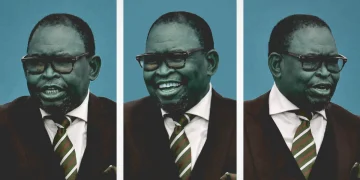
The eyes of the continent are fixed on Cape Town this week as Finance Minister Enoch Godongwana prepares to deliver the highly anticipated budget speech 2026. This fiscal roadmap comes at a pivotal moment for South Africa, as the National Treasury attempts to balance aggressive debt stabilization with the need for inclusive economic growth.
For many observers, the budget speech 2026 represents a “make or break” moment for the country’s sovereign credit rating. Investors are looking for concrete evidence that the government can maintain spending discipline while pushing forward with much-needed structural reforms in energy and logistics.
Positive Shifts in the Africa News Update 2026
Unlike previous years marked by stagnation, the latest Africa News Update 2026 suggests a more optimistic backdrop. Economists from major global institutions, including Morgan Stanley and Bank of America, have noted improvements in South Africa’s public finances. There is a growing consensus that a positive shift in credit rating outlooks from Fitch and Moody’s could be imminent.
Currently, South Africa’s long-term foreign-currency debt is positioned just below investment grade. However, a successful delivery of the budget speech 2026 could provide the “vindicative progress” needed to trigger an upgrade. This would be a significant win for the business sector and could lower borrowing costs for the state.
Fiscal Targets and Revenue Outperformance
The National Treasury is expected to report that it has successfully narrowed the consolidated fiscal deficit. While previous forecasts sat at 4.7% of GDP, analysts now predict a tighter shortfall of approximately 4.4%. This improvement is largely attributed to a surge in tax revenue, buoyed by high prices for gold and other precious metals.
Key Economic Projections for 2026:
- GDP Growth: Forecasted at 1.6% for the current year.
- Inflation Target: A move toward a 3% anchor to align with international trading partners.
- Debt Stabilization: Treasury aims to hit its stabilization targets within this fiscal window.
The Minister is likely to emphasize that while growth has been slow to rebound, the era of persistent stagnation is ending. Strengthening tech infrastructure and energy networks remains a top priority to ensure this growth is sustainable.
Tax Policy: What to Expect in the Budget Speech 2026
Taxpayers shouldn’t expect massive shifts in headline rates. Instead, the budget speech 2026 will likely focus on “bracket creep” and enhanced collection strategies.
- VAT and Income Tax: The Value Added Tax is expected to remain steady at 15% due to past public resistance. Corporate and personal income tax rates are also unlikely to see major adjustments.
- Carbon Tax: A significant rise is expected as Phase 2 kicks in, with rates potentially jumping from R236 to R308 per tonne of $CO_2e$.
- Sin Taxes: As is tradition, excise duties on alcohol and tobacco will likely rise above the inflation rate.
The South African Revenue Service (SARS) has significantly bolstered its AI-driven enforcement capabilities. With an infusion of R7.5 billion in administrative funding, SARS is now more equipped than ever to track illicit trade and high-wealth individuals.
Building a Resilient Future
The overarching theme of the budget speech 2026 is the “new consensus” mentioned by President Cyril Ramaphosa. The goal is to build a prosperous nation where no citizen is left behind. This involves a heavy focus on healthcare accessibility and improving the general quality of life through infrastructure investment.
For those planning to visit the region during this period of economic renewal, checking the latest travel guidelines is recommended, as the strengthening Rand may impact local costs.
Stability Over Radical Change
Ultimately, the budget speech 2026 is about administrative efficiency. By focusing on debt stability and better tax enforcement rather than radical policy shifts, Minister Godongwana aims to provide the certainty that global markets crave.
Whether it’s the rise of the sports economy or the revitalization of manufacturing, every sector in South Africa is waiting to see if this budget can truly lock in long-term stability.