

US Declares Power Emergency as Texas Braces for Icy Assault
The United States Department of Energy has officially issued a power emergency declaration for the state of Texas. This urgent federal intervention comes as a massive winter weather system, carrying a dangerous mix of freezing rain, sleet, and sub-zero temperatures, threatens to overwhelm the regional electric grid.
For many, the situation evokes a chilling sense of déjà vu. This is the most significant trial for the Texas energy infrastructure since the catastrophic failures of 2021. Authorities are now moving at lightning speed to prevent a repeat of that tragedy, authorizing extraordinary measures to keep the lights on as the storm intensifies.
Federal Intervention Amid Surging Demand
Energy Secretary Chris Wright signed the emergency order Saturday morning, responding to a direct plea from the Electric Reliability Council of Texas (ERCOT). The grid operator reported a “sudden increase in demand” paired with a critical “shortage of facilities for the generation of electric energy.”
Under the new federal mandate, the state has the green light to tap into unconventional power sources. This includes deploying backup generation from massive data centers and other industrial facilities that do not typically supply the public grid. With millions of residents cranking up their heating systems to combat the arctic chill, the risk to public safety and grid reliability has reached a tipping point.
Global Parallels: Africa News Update 2026 and Grid Stability
While the crisis is unfolding in North America, the implications resonate globally, particularly within the context of the Africa News Update 2026. As African nations like South Africa continue to navigate their own energy hurdles—including recent shifts in load-shedding schedules—the Texas situation serves as a stark reminder of how extreme weather can expose hidden vulnerabilities in even the most advanced systems.
Across the African continent, from the unpredictable rainfall patterns in the Sahel to the aging infrastructure in major industrial hubs, the lessons from Texas are clear. Resilience requires more than just “standard” capacity; it demands flexible, rapid-response strategies that can handle sudden spikes in usage when the rain turns to ice.
Preparing for the “Ice Glaze” Effect
Meteorologists warn that the greatest threat isn’t just the cold, but the accumulation of ice. Unlike snow, which can be brushed away, freezing rain creates a heavy, glass-like glaze on power lines and tree branches.
- Infrastructure Strain: Just a half-inch of ice can add hundreds of pounds of weight to utility lines.
- Operational Shifts: Major hubs like George Bush Intercontinental (IAH) and Hobby Airport have activated de-icing teams, treating runways and overpasses every 90 to 180 minutes.
- Road Safety: Authorities in Houston and surrounding counties have urged residents to stay home, as bridges become “nearly impossible” to navigate once the rain freezes over.
Resilience Strategies: How Cities are Fighting Back
In Houston, Mayor John Whitmire and Harris County Judge Lina Hidalgo have coordinated a massive localized response. Warming centers have been opened across the city, offering a “no questions asked” sanctuary for anyone without adequate heat.
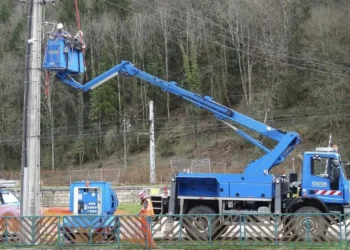
Local utility provider CenterPoint Energy has mobilized a small army of 4,000 workers. While they anticipate that between 100,000 and 200,000 customers could lose power due to falling trees and snapped lines, they have pledged to restore service to most within 12 hours. This proactive stance is part of a broader shift in how modern cities manage the nexus of weather and energy.
A Test of Modern Technology
Interestingly, this storm is also a test for the “new” grid. Since 2021, Texas has invested heavily in solar, wind, and battery storage. Experts suggest that even two hours of battery discharge can provide the “breathing room” needed to keep critical life-support systems online during a peak demand surge.
As we track the Africa News Update 2026, similar technological leaps are being discussed in regional energy summits. The integration of decentralized power sources—like the data center backups being used in Texas—could eventually provide a blueprint for stabilizing grids during seasonal disruptions across the African continent.
“This extreme level of demand raises a significant risk of emergency conditions that could jeopardize electric reliability and public safety.” — ERCOT Emergency Request, January 2026.
Looking Ahead: The Forecast for Recovery
The immediate priority remains survival through the weekend. While the freezing rain is expected to taper off by Sunday morning, the record-breaking cold will linger into Monday and Tuesday.
For the people of Texas, the next 48 hours are a battle of endurance. For the rest of the world, it is a case study in the necessity of climate-resilient infrastructure. As the global climate becomes more volatile, the ability to maintain power during a storm—whether it brings tropical rain or arctic ice—will define the success of 21st-century governance.
Quick Safety Checklist for Residents:
- Protect the 4 Ps: Pipes, Pets, Plants, and People.
- Stay Off Roads: Icy patches are often invisible (“black ice”).
- Communication: Keep devices charged and monitor local news for warming center locations.
- Heating Safety: Never use a gas oven or charcoal grill to heat your home indoors.