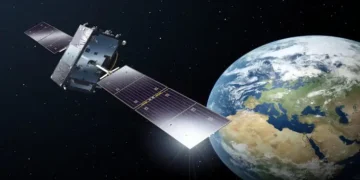





Satellite innovations are revolutionizing public health across the continent. A new review highlights how satellite technology benefits are reshaping disease tracking, policy planning, and healthcare systems, particularly improving health monitoring in Africa.
The Growing Role of Satellite Data in Healthcare
Researchers have mapped out three decades of advancements showing how benefits of satellite data in healthcare include tracking epidemics, analyzing pollution, and predicting disease spread. Earth Observation (EO) tools—satellites, drones, and ground sensors—are now essential for real-time disease surveillance and climate-health correlation.
The Power of Earth Observation
Satellite-based Earth Observation provides high-resolution insights into environmental and health interactions. From mapping dengue fever zones to predicting cholera outbreaks, these technologies support early response and better healthcare decisions. However, researchers note challenges such as fragmented data formats, limited access, and weak collaboration between data providers and health agencies.
Key Findings and Health Applications
Over 1,700 studies reveal that EO data can improve early warnings for diseases linked to climate change. The systems identified also track animal-to-human illnesses like Ebola. As global temperatures rise, mosquito-borne diseases like malaria and dengue are spreading into new regions, reinforcing the satellite technology benefits for health management.
Bridging the Gap: From Data to Decision
Experts like Dr. Dhritiraj Sengupta and Prof. Shubha Sathyendranath stress the importance of collaboration between satellite technologists and medical professionals. While EO provides cost-effective, scalable data for governments, adoption remains slow due to funding and skill gaps. Bridging these barriers could strengthen health monitoring Africa initiatives and improve crisis response.
A Global Push for Better Integration
Projects like the European Space Agency’s EO4Health Resilience aim to unify disease data using EO platforms by 2025. This effort could enhance healthcare accessibility, support policy decisions, and save lives through timely interventions.
The Future of Space and Health
Despite challenges like data privacy, space debris, and high costs, the benefits of satellite data in healthcare remain undeniable. They offer sustainable solutions for disease forecasting and environmental monitoring across Africa and beyond.
For travelers and public health researchers exploring how data and technology intersect, visit our travel partner to discover more innovation-driven destinations in Africa.
This story was first reported by Remote Sensing Applications: Society and Environment. Read the full article here.