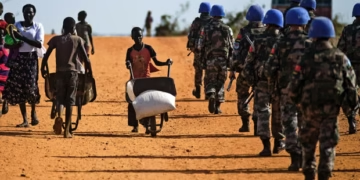





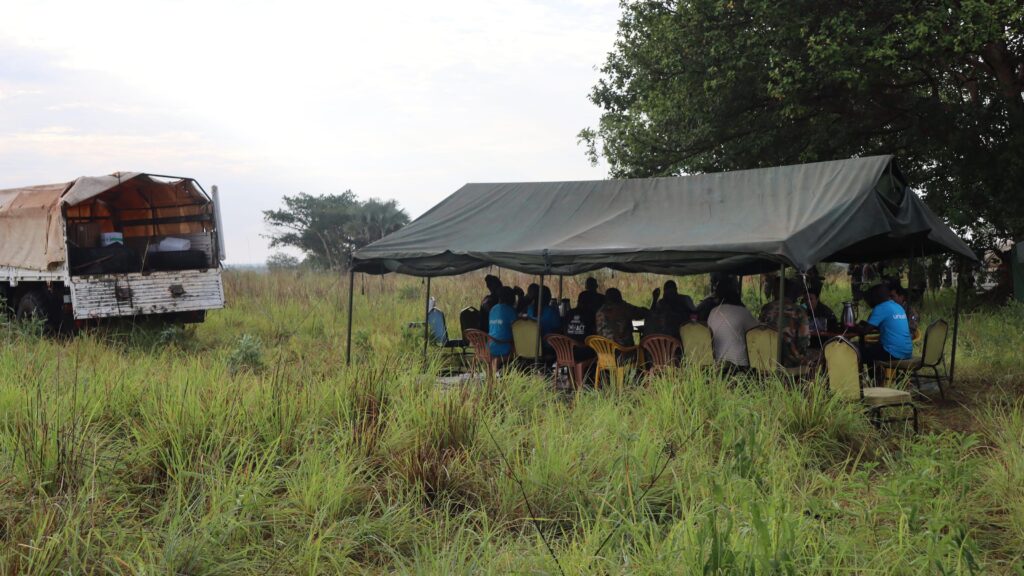
The United Nations Mission in South Sudan, in coordination with UNICEF and local authorities, has intensified its field operations to secure the release of underage individuals from armed factions. Announced in June 2026, the joint initiative targets the eradication of illegal underage recruitment across highly volatile regions including Yambio and Malakal. By conducting rigorous physical verifications inside military barracks, the multi-agency coalition works to rescue vulnerable youths and return them safely to their families.
Underage recruitment remains one of six grave violations recognized globally, directly undermining long-term child protection frameworks within developing regions. Securing access to active combat zones and military installations requires extensive coordination with state defense sectors. Phoebe Murungi, a Child Protection Officer at UNMISS, highlighted the practical challenges of these field deployments, noting that planners must constantly navigate changing conflict zones, unpredictable access authorizations, and shifting partner availability on the ground.
These field verification tasks are highly critical to reshape the broader landscape of regional politics, as international tracking bodies demand strict compliance with international human rights laws. National legal frameworks are explicitly designed to prevent the exploitation of minors, yet enforcement remains difficult in remote border territories. Investing in local community advocacy programs and establishing strong institutional accountability are fundamental requirements to achieve sustainable peace and restore social stability across the country.
Strengthening Legal Mechanisms and Community Awareness for Child Protection
Sovereign legislative bodies have established clear statutory limits to prevent the deployment of minors in active combat zones. Oluku Andrew Holt, the National Coordinator for the Release of Children with South Sudan’s Disarmament, Demobilization and Reintegration Commission, emphasized that the state constitution and related parliamentary acts strictly forbid the recruitment of anyone under the age of 18. Holt stated that making all factions understand that investing in youth is essential for long-term peace remains an ongoing, complex task.
To track demobilization progress and coordinate family integration services with high precision, regional welfare offices are upgrading their tracking tools. Social workers are deploying secure data platforms within the domestic tech infrastructure sector to log identity details and monitor post-release counseling schedules. This digital expansion helps field teams share real-time logistical needs with continental support structures, ensuring that emergency food, medical supplies, and education kits reach distribution camps without administrative delays.
Furthermore, analyzing regional vulnerability trends and tracking localized educational infrastructure projects are being enhanced through automated computing systems. Aid agencies are exploring how specialized ai data modeling can help identify high-risk districts where youth populations face the greatest socio-economic pressures. Incorporating this automated intelligence allows field teams to deploy specialized counselors and protective resources exactly where community vulnerabilities peak, preventing illegal recruitment cycles before they start.
Independent humanitarian analysts sharing their professional opinion columns state that successful demobilization depends entirely on creating viable alternative pathways within the regional business environment. They argue that when recovered youths gain access to quality vocational schooling and technical training, they can successfully transition into stable, high-paying jobs within local agricultural and commercial markets. Prioritizing youth rehabilitation simultaneously protects long-term community health metrics, proving that sustainable peace requires a well-supported, educated younger generation.
Ultimately, achieving permanent stabilization requires an uncompromised commitment from international peacekeeping forces, state defense sectors, and local leaders. By providing rescued youths with a secure, stable environment to rebuild their lives, these field teams are slowly converting intense trauma into lasting community resilience. To review active field reports and track upcoming humanitarian updates, visit the official UNMISS peace operations portal online to see how collective field actions are safeguarding the next generation.