




The Kuwait Fund for Arab Economic Development (KFAED) continues to play a pivotal role in funding for African healthcare, supporting programs that tackle tropical and neglected diseases across the continent. By combining financing, technical assistance, and long-term development strategies, the fund strengthens healthcare infrastructure, improves access, and supports global efforts to reduce the burden of infectious diseases in Africa. Learn more about entering new markets and unlocking Africa’s medical technology potential for modern healthcare solutions.
Strengthening Healthcare Infrastructure and Access
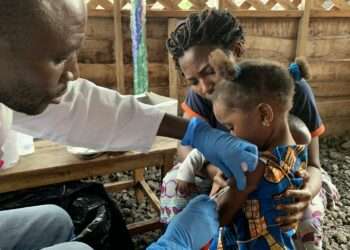
KFAED focuses on both infrastructure and public health interventions. Hospitals and health centers are constructed and equipped, while vaccination campaigns, awareness programs, and distribution of essential medical supplies improve health outcomes. These initiatives not only reduce infection and mortality rates but also advance sustainable social and economic development, highlighting the importance of african health initiatives. Support for emergency response and healthcare supply production in Africa can be explored here.
Tropical Disease Burden in Africa
Africa bears a disproportionate share of tropical illnesses, including malaria, HIV/AIDS, tuberculosis, lymphatic filariasis, and cholera. Neglected tropical diseases (NTDs) disproportionately impact the poorest communities, causing chronic disability, disfigurement, and death. The World Health Organization estimates that nearly 700 million Africans are affected by one or more NTDs, while over 2 billion people worldwide, including 500 million children, suffer from tropical illnesses. Read about innovative financing to combat neglected tropical diseases in Africa.
High infection rates are driven by limited preventive care, exposure to contaminated water, fragile health systems, and conflict or displacement. These challenges make disease control difficult and strain national health programs. Learn how to aid Sudan and improve health outcomes, a region facing significant tropical disease challenges.
International Cooperation to Combat NTDs
Global institutions have mobilized to assist African countries in controlling and eliminating NTDs. Mass-treatment programs effectively target five major diseases: lymphatic filariasis, river blindness, schistosomiasis, soil-transmitted helminths, and trachoma. The program now operates in 47 African countries, reaching 300–400 million people annually with 700–800 million donated tablets. Despite this, only about 30 percent of infected individuals currently receive treatment, largely due to geographic and accessibility challenges. Read more about African nations uniting to eliminate deadly neglected tropical diseases.
The NTD Program’s Role in African Health Initiatives
The NTD program strengthens national disease-control systems through clinical, logistical, and research support. Governments receive assistance in strategic planning, epidemiological studies, disease mapping, program evaluation, and awareness campaigns. The World Health Organization oversees operations in partnership with multiple global bodies. Funding flows directly from donors or through trust funds managed by institutions like the World Bank and WHO. Learn more about research funding supporting African health initiatives.
The program targets five high-impact tropical illnesses in Africa:
- Lymphatic filariasis (elephantiasis): ~400 million Africans at risk.
- River blindness (onchocerciasis): ~90 percent of 250 million global cases in Africa.
- Schistosomiasis (bilharzia): ~90 percent of 300 million global cases in Africa.
- Soil-transmitted helminths: 290 million Africans require annual treatment.
- Trachoma: 185 million Africans live in at-risk areas.
These diseases were chosen for the availability of preventive medications, efficiency of treatment delivery, and strong governmental support.
Long-Term Funding and Global Partnerships
KFAED is among the earliest and most consistent supporters of the NTD program, contributing $5 million during Phase 1 (2016–2020) and another $5 million for Phase 2 (2024–2028). Other contributors include the World Bank, Bill and Melinda Gates Foundation, African Development Bank, USAID, the UK Department for International Development, pharmaceutical companies, NGOs, and African governments. Learn more about building healthcare resilience in Africa.
KFAED’s Broader Role in African Health
Since 1974, the Kuwait Fund has supported multiple disease-control programs across Africa, particularly targeting river blindness. Key initiatives include:
- First Onchocerciasis Control Program: 11 West African countries.
- Second Onchocerciasis Control Program: 20 countries in Central, Eastern, and Southern Africa.
Beyond NTD programs, KFAED has provided over $23 million in grants and technical assistance for global health initiatives such as the Guinea Worm Eradication Program, Roll Back Malaria, the Global Fund to Fight AIDS, Malaria, and Tuberculosis, and national programs combating transboundary animal diseases. Over 70 health-sector projects worth 196.7 million Kuwaiti dinars ($630 million) have been financed, enhancing infrastructure, equipment, and healthcare access across developing nations. Explore strengthening healthcare infrastructure in Africa and digital transformation plans for Egypt’s healthcare initiatives.
These efforts highlight the critical role of funding for African healthcare and sustained african health initiatives in combating tropical illnesses in Africa. Supporters and travelers can also explore related initiatives via Afrikeye Travel.
This story was first reported by Arab News. Read the full article here.