
• Latest
  • Trending
  • All
funding for African healthcare supports tropical illnesses in Africa through health initiatives

Funding for African Healthcare Boosts Fight Against Tropical Illnesses in Africa

September 2, 2026
A man leaning into the window of a bright yellow mobile money agent kiosk in Accra, Ghana.

Ghana E-Levy Repeal: What Changed for Mobile Money Users

November 17, 2026
A busy street in Kampala, Uganda, filled with cars, minibuses, motorbike taxis and pedestrians.

Uganda Election 2026 Results: Museveni Wins 71.65% for a Seventh Term

November 17, 2026
Close-up of hands exchanging Nigerian naira banknotes at a busy outdoor market stall.

PAPSS Explained: How Africa Pays Across Borders in Local Currency

November 17, 2026
Addis Ababa skyline at sunset, with modern high-rise buildings against a vibrant evening sky.

Ethiopia’s Stock Exchange, Nearly Two Years On: How It Works and Who Can Invest

November 16, 2026
Voters queue at an indoor polling station on election day.

How African Presidents Are Actually Elected: The Rules That Decide the Winner

November 16, 2026
Women footballers compete for the ball during a match on a sunny day.

WAFCON 2026 Changed African Women’s Football. The Money Proves It

November 17, 2026
Vendors selling fresh produce and packaged goods under umbrellas at a busy outdoor market in Zaria, Nigeria.

AfCFTA Explained: What Africa’s Free Trade Area Means for Small Businesses

November 16, 2026
A packed football stadium under floodlights during a night match, with fans in red filling the stands.

AFCON 2025: Who Really Won? Senegal, Morocco and the Title CAS Must Decide

November 16, 2026
A worker pushes a loaded wheelbarrow on a potholed road in front of the National Heroes Stadium in Lusaka, Zambia.

Zambia’s 2026 Election: Hichilema’s Bigger Win, a Disputed Count, and What Comes Next

November 17, 2026
Nairobi's skyline at dusk, with lit high-rise buildings and city lights under a deep blue sky.

Kenya Election 2027: Date, Candidates and Key Deadlines

November 14, 2026
A packed football stadium in Morocco during a match, with crowds in red and advertising boards reading Maroc 3-0 Espagne.

Morocco 2030 World Cup: Stadiums, Cities, Dates, Final

November 14, 2026
A boat crossing the Lagos lagoon in front of the Civic Centre Towers and waterfront buildings.

Nigeria Tax Act 2025 Explained: Rates for Workers and Small Business

November 14, 2026
Afrikeye
  • Afrikeye | Africa News Today
  • Business & Investment
    • Jobs
    • Microfinance
  • Politics
    • African Elections
    • Zambian Elections
  • Opinion
  • Technology
    • AI
  • Sports
    • FIFA World Cup
  • Health
  • Travel
No Result
View All Result
  • Login
  • Register
  • Afrikeye | Africa News Today
  • Business & Investment
    • Jobs
    • Microfinance
  • Politics
    • African Elections
    • Zambian Elections
  • Opinion
  • Technology
    • AI
  • Sports
    • FIFA World Cup
  • Health
  • Travel
No Result
View All Result
Afrikeye
No Result
View All Result
funding for African healthcare supports tropical illnesses in Africa through health initiatives

Funding for African Healthcare Boosts Fight Against Tropical Illnesses in Africa

Afrikeye by Afrikeye
02/09/2026
in Health
Reading Time: 5 mins read
247 7
0
495
SHARES
1.4k
VIEWS

The Kuwait Fund for Arab Economic Development (KFAED) continues to play a pivotal role in funding for African healthcare, supporting programs that tackle tropical and neglected diseases across the continent. By combining financing, technical assistance, and long-term development strategies, the fund strengthens healthcare infrastructure, improves access, and supports global efforts to reduce the burden of infectious diseases in Africa. Learn more about entering new markets and unlocking Africa’s medical technology potential for modern healthcare solutions.

Strengthening Healthcare Infrastructure and Access

KFAED focuses on both infrastructure and public health interventions. Hospitals and health centers are constructed and equipped, while vaccination campaigns, awareness programs, and distribution of essential medical supplies improve health outcomes. These initiatives not only reduce infection and mortality rates but also advance sustainable social and economic development, highlighting the importance of african health initiatives. Support for emergency response and healthcare supply production in Africa can be explored here.

Tropical Disease Burden in Africa

Africa bears a disproportionate share of tropical illnesses, including malaria, HIV/AIDS, tuberculosis, lymphatic filariasis, and cholera. Neglected tropical diseases (NTDs) disproportionately impact the poorest communities, causing chronic disability, disfigurement, and death. The World Health Organization estimates that nearly 700 million Africans are affected by one or more NTDs, while over 2 billion people worldwide, including 500 million children, suffer from tropical illnesses. Read about innovative financing to combat neglected tropical diseases in Africa.

High infection rates are driven by limited preventive care, exposure to contaminated water, fragile health systems, and conflict or displacement. These challenges make disease control difficult and strain national health programs. Learn how to aid Sudan and improve health outcomes, a region facing significant tropical disease challenges.

International Cooperation to Combat NTDs

Global institutions have mobilized to assist African countries in controlling and eliminating NTDs. Mass-treatment programs effectively target five major diseases: lymphatic filariasis, river blindness, schistosomiasis, soil-transmitted helminths, and trachoma. The program now operates in 47 African countries, reaching 300–400 million people annually with 700–800 million donated tablets. Despite this, only about 30 percent of infected individuals currently receive treatment, largely due to geographic and accessibility challenges. Read more about African nations uniting to eliminate deadly neglected tropical diseases.

The NTD Program’s Role in African Health Initiatives

The NTD program strengthens national disease-control systems through clinical, logistical, and research support. Governments receive assistance in strategic planning, epidemiological studies, disease mapping, program evaluation, and awareness campaigns. The World Health Organization oversees operations in partnership with multiple global bodies. Funding flows directly from donors or through trust funds managed by institutions like the World Bank and WHO. Learn more about research funding supporting African health initiatives.

The program targets five high-impact tropical illnesses in Africa:

  • Lymphatic filariasis (elephantiasis): ~400 million Africans at risk.
  • River blindness (onchocerciasis): ~90 percent of 250 million global cases in Africa.
  • Schistosomiasis (bilharzia): ~90 percent of 300 million global cases in Africa.
  • Soil-transmitted helminths: 290 million Africans require annual treatment.
  • Trachoma: 185 million Africans live in at-risk areas.

These diseases were chosen for the availability of preventive medications, efficiency of treatment delivery, and strong governmental support.
Long-Term Funding and Global Partnerships

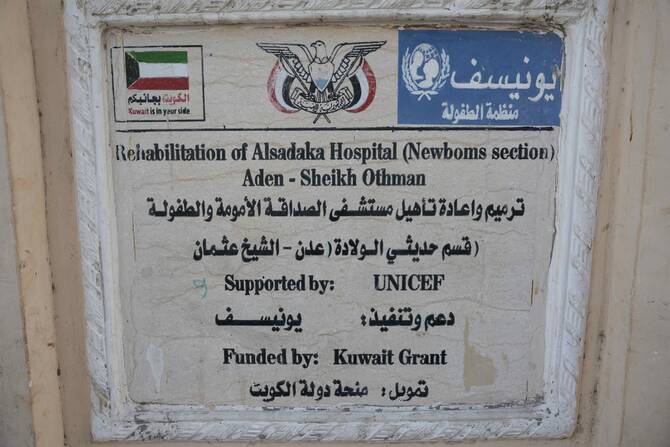
KFAED is among the earliest and most consistent supporters of the NTD program, contributing $5 million during Phase 1 (2016–2020) and another $5 million for Phase 2 (2024–2028). Other contributors include the World Bank, Bill and Melinda Gates Foundation, African Development Bank, USAID, the UK Department for International Development, pharmaceutical companies, NGOs, and African governments. Learn more about building healthcare resilience in Africa.

KFAED’s Broader Role in African Health

Since 1974, the Kuwait Fund has supported multiple disease-control programs across Africa, particularly targeting river blindness. Key initiatives include:

  • First Onchocerciasis Control Program: 11 West African countries.
  • Second Onchocerciasis Control Program: 20 countries in Central, Eastern, and Southern Africa.

Beyond NTD programs, KFAED has provided over $23 million in grants and technical assistance for global health initiatives such as the Guinea Worm Eradication Program, Roll Back Malaria, the Global Fund to Fight AIDS, Malaria, and Tuberculosis, and national programs combating transboundary animal diseases. Over 70 health-sector projects worth 196.7 million Kuwaiti dinars ($630 million) have been financed, enhancing infrastructure, equipment, and healthcare access across developing nations. Explore strengthening healthcare infrastructure in Africa and digital transformation plans for Egypt’s healthcare initiatives.

These efforts highlight the critical role of funding for African healthcare and sustained african health initiatives in combating tropical illnesses in Africa. Supporters and travelers can also explore related initiatives via Afrikeye Travel.

This story was first reported by Arab News. Read the full article here.

facebookShare on Facebook
FollowFollow us
Previous Post

Egyptian–Albanian Joint Committee for Economic Cooperation Egypt Albania Strengthens Trade and Investment

Next Post

Afreximbank African Trade Centre Egypt Boosts Investment Opportunities and Economic Development Goals

Afrikeye

Afrikeye

RelatedPosts

Inside Africa’s Historic Multi-Country Ebola Outbreak

Inside Africa’s Historic Multi-Country Ebola Outbreak

November 4, 2026
0

The fast-moving Ebola outbreak originating in the Democratic Republic of Congo has crossed regional boundaries on an unprecedented scale, reaching...

DR Congo Ebola Deaths Pass 5,000: What Happens Next

DR Congo Ebola Deaths Pass 5,000: What Happens Next

November 17, 2026
0

Ebola has killed more than 5,000 people in the Democratic Republic of Congo, according to Ministry of Health data released...

Health workers in protective equipment during an Ebola response in East Africa

Ebola Sequencing Links Kenya and Nigeria Cases to Congo Chain, Uganda Link Still Open

November 14, 2026
0

NAIROBI, Kenya — Genomic sequencing has linked Ebola cases detected in Kenya and Nigeria to the same transmission chain and...

Severe Malaria Impact Lingers for African Children

Severe Malaria Impact Lingers for African Children | Afrikeye

November 17, 2026
0

In public health discourse across sub-Saharan Africa, malaria outcomes have historically been measured through a binary metric: mortality or survival....

Next Post

Afreximbank African Trade Centre Egypt Boosts Investment Opportunities and Economic Development Goals

Nama community descendants advocating for land expropriation without compensation in South Africa

Nama Community Descendants Demand Return of Land Amid Diamond Mining in South Africa

Infrastructure Leadership Training Africa

ConstructAfrica Hosts Ambassador Town Hall for Infrastructure Leadership Training

Leave a Reply Cancel reply

Your email address will not be published. Required fields are marked *

Recent Posts

  • Ghana E-Levy Repeal: What Changed for Mobile Money Users
  • Uganda Election 2026 Results: Museveni Wins 71.65% for a Seventh Term
  • PAPSS Explained: How Africa Pays Across Borders in Local Currency
  • Ethiopia’s Stock Exchange, Nearly Two Years On: How It Works and Who Can Invest
  • How African Presidents Are Actually Elected: The Rules That Decide the Winner

Recent Comments

No comments to show.
Afrikeye home

Not just the news — We bring the meaning behind it. Cutting through the noise with depth, clarity, and perspective that others miss.

About Afrikeye · Editorial Standards · Corrections Policy · Contact · Privacy Policy

Facebook Instagram X-twitter Linkedin

Welcome Back!

Login to your account below

Forgotten Password? Sign Up

Create New Account!

Fill the forms below to register

All fields are required. Log In

Retrieve your password

Please enter your username or email address to reset your password.

Log In
No Result
View All Result
  • Afrikeye | Africa News Today
  • Business & Investment
    • Jobs
    • Microfinance
  • Politics
    • African Elections
    • Zambian Elections
  • Opinion
  • Technology
    • AI
  • Sports
    • FIFA World Cup
  • Health
  • Travel

Copyright © 2026 Afrikeye.

Go to mobile version
