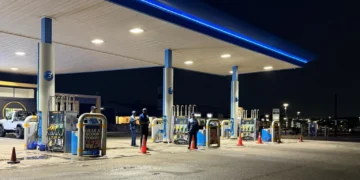





The escalating south african fuel station crisis has become a focal point of economic concern as many independent retailers find themselves on the brink of collapse. For years, the fuel retail sector was considered a stable investment, but recent market shifts have drastically changed the landscape.
Current data suggests that petrol stations in South Africa are facing unprecedented financial strain. With operational costs soaring and profit margins being squeezed, the sustainability of the traditional pump model is now in question.
For the latest updates on this and other regional developments, stay tuned to Afrikeye, where we track the pulse of the continent’s economy.
In this article, we will analyze the factors contributing to the current industry instability, the role of financial institutions, and how rising prices are impacting everyday consumers.
The Economic Drivers of the Fuel Retail Slump
The primary reason behind the south african fuel station crisis is a combination of declining fuel volumes and rising overheads. As vehicle technology advances, more motorists are opting for fuel-efficient hybrids or exploring electric options.
Furthermore, the high cost of electricity, security, and labor has made it difficult for station owners to remain profitable. Unlike other retail businesses, petrol stations operate on regulated margins, meaning they cannot easily increase prices to cover their rising internal costs.
The industry is also seeing a shift in how tech is being integrated into fuel management, but the initial investment required for these systems is often out of reach for struggling smaller retailers.
The Impact of Rising Fuel Prices on Consumers
It is not just the owners who are suffering; the general public is feeling the weight of the current economic climate. Experts warn that rising fuel prices could squeeze consumers even further, leading to a decrease in disposable income.
When fuel prices go up, the cost of transporting goods increases, which inevitably leads to higher food prices. This ripple effect strengthens the crisis, as consumers reduce their overall travel, further lowering the volume of fuel sold at local pumps.
For those planning long-distance trips amidst these rising costs, optimizing your travel routes and budgeting for fuel has never been more critical.
Banks and the Loyalty Loophole
In an attempt to retain customers, various financial institutions have stepped in with incentive programs. Recently, many banks pump up fuel rewards, offering cash-back or points for every liter of fuel purchased at specific stations.
- High Loyalty Requirements: While these rewards sound appealing, they often require customers to maintain specific spending habits or hold premium bank accounts.
- Station Partnerships: These programs often force consumers to use specific brands, which may not always be the most convenient or cheapest local option.
- Data Integration: Modern rewards programs are increasingly powered by AI to track consumer behavior, though this does little to help the actual petrol station owner’s bottom line.
While these loyalty schemes provide some relief to the motorist, they do not address the core structural issues within the fuel retail industry.
Challenges for Independent Retailers
Independent fuel retailers are the hardest hit by the south african fuel station crisis. Unlike large corporate-owned sites, independent owners often lack the capital to upgrade their facilities or weather prolonged periods of low sales.
The threat of “dry pumps”—where a station cannot afford to buy its next delivery of fuel—is becoming a reality for several sites across the province.
Navigating the Future of South African Energy
To survive this crisis, the industry may need to pivot away from a pure fuel-selling model. Many stations are now focusing on their convenience store offerings and additional services to stay afloat.
However, without significant regulatory reform or a stabilization of global oil prices, the pressure on the local market is unlikely to ease anytime soon.
- Diversification: Stations are adding high-end coffee shops and pharmacies.
- Efficiency: Implementation of solar power to reduce high electricity bills.
- Alternative Fuels: Preparing for the eventual transition to hydrogen or electric charging hubs.
Frequently Asked Questions (FAQs)
What is the main cause of the south african fuel station crisis?
The crisis is caused by a mix of low profit margins, rising operational costs (like electricity and labor), and a decrease in overall fuel sales as consumers cut back on travel due to high prices.
Are petrol stations in South Africa closing down?
Yes, several independent petrol stations are at risk of closure because they cannot keep up with the high costs of maintaining stock and paying for overheads under regulated profit margins.
How do bank fuel rewards help during the crisis?
Bank rewards provide cash-back or points to consumers, helping to offset the high cost of petrol. However, they usually require high levels of loyalty and specific spending patterns to be truly beneficial.