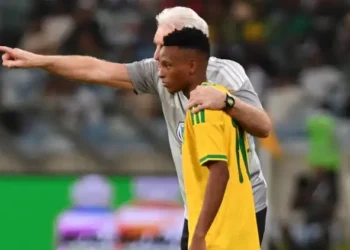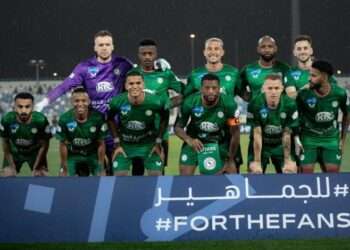


The eyes of the continent were fixed on Rabat this weekend as the highly anticipated senegal vs morocco final delivered a spectacle that will be discussed for decades. In a match defined by tactical brilliance, a stunning walk-off protest, and late-game heroics, Senegal emerged as the kings of Africa for the second time. The 1-0 victory, secured after a grueling period of extra time, silenced over 66,000 fans at the Prince Moulay Abdellah Stadium.
This victory cements the Teranga Lions’ place as a modern powerhouse in African football excellence. While the hosts, the Atlas Lions, were favorites to end their 50-year trophy drought on home soil, it was the resilience of the West Africans that ultimately shone through.
Chaos Erupts in the Senegal vs Morocco Final
The match reached a boiling point in the dying embers of regulation time. With the score locked at 0-0, Congolese referee Jean-Jacques Ndala awarded a controversial penalty to the hosts following a VAR review. The decision, involving a challenge by El Hadji Malick Diouf on Brahim Diaz, sparked immediate fury from the Senegalese bench.
In an unprecedented move for a senegal vs morocco final, coach Pape Bouna Thiaw ordered his players to leave the field. For nearly 15 minutes, the future of the match hung in the balance as officials and players engaged in heated debates on the touchline.
It took the intervention of veteran talisman Sadio Mane to calm his teammates. The former Liverpool star was seen gesturing for his side to return, insisting that the trophy should be won on the grass, not through forfeiture. His leadership in that moment likely saved the tournament from a historical controversy.
The Penalty Drama that Shook Rabat
When play finally resumed, the pressure shifted entirely to Brahim Diaz. The Real Madrid playmaker, who had been instrumental for Morocco throughout the Africa Cup of Nations Morocco, stepped up to take the spot-kick.
However, the long delay seemed to weigh heavily on the midfielder. In an attempt to outsmart Edouard Mendy, Diaz attempted a “Panenka-style” chip. The effort lacked power and direction, allowing Mendy to comfortably catch the ball. The miss sent shockwaves through the stadium and provided Senegal with a massive psychological boost heading into extra time.
Pape Gueye: The Hero of the Senegal vs Morocco Final
The momentum shifted entirely toward the defending champions in the additional period. In the 94th minute, the senegal vs morocco final was finally decided by a moment of individual brilliance.
Mane regained possession in the middle of the park and played a slick pass to Idrissa Gana Gueye. The ball was quickly moved to Pape Gueye, who held off a challenge from Moroccan captain Achraf Hakimi. The Villarreal midfielder then unleashed a thunderous strike that flew past Yassine Bounou into the top corner.
For fans following the Morocco AFCON tournament information, the goal was a masterclass in clinical finishing. Despite late pressure from Morocco—including a Nayef Aguerd header that struck the crossbar—Senegal held firm to secure the 1-0 win.
Regional Impact and Tournament Reflections
The fallout from the senegal vs morocco final is expected to be significant. Morocco coach Walid Regragui described the scenes as “shameful” for the image of the game, while acknowledging that his side must become more clinical.
Senegal’s victory follows a competitive tournament where other nations also showed great promise. Readers can compare this tactical battle to our earlier report on the DR Congo vs Benin AFCON 2025 match, which showcased the rising depth of talent across the continent.
With this win, Senegal joins the elite club of nations with multiple AFCON stars. For Morocco, the wait continues, as they look toward future international refereeing standards and squad development to finally reclaim their former glory. This match will undoubtedly be cited in the BBC Africa football archives as one of the most chaotic yet captivating finales in the history of the sport.
As the celebrations continue in Dakar, the senegal vs morocco final serves as a reminder that in African football, the drama is often as compelling as the goals themselves.