




Wolf full moon lovers will be treated to a beautiful night sky event on 3 January 2026, when January’s full Moon appears brighter and bigger than usual. This special Moon is called a Wolf Supermoon, and it will shine more because of three rare space events happening at the same time.
The Moon will be closer to Earth, Earth will be closer to the Sun, and the Moon will be full. Together, these events create one of the brightest full Moons we will see for a long time.
Wolf Full Moon and Why It Will Look Bigger
The wolf full moon becomes a supermoon when the full Moon happens at the same time as perigee. Perigee is the point where the Moon is closest to Earth.
On 3 January, the Moon will be about 362,312 kilometres away from Earth. According to NASA, because of this short distance, the Moon will look around 14% bigger and 30% brighter than a “micromoon” (when the moon is farthest away). This makes the wolf full moon easier to see and more impressive, even without a telescope.
Wolf Full Moon and Earth’s Perihelion Effect
Another reason the wolf full moon will be brighter is because Earth will be near perihelion. Perihelion is when Earth is closest to the Sun in its annual orbit.
In early January, Earth is about 3.4% closer to the Sun than at other times of the year. This means a little more sunlight reaches the Moon, giving it an extra brightness boost. This rare timing creates a triple brightness effect:
- Full Moon phase.
- Moon close to Earth (Perigee).
- Earth close to the Sun (Perihelion).
Why January Is the Best Time to See the Wolf Full Moon
January weather helps make the wolf full moon easier to see. Cold air holds less moisture than warm air, which often makes the sky clearer. Clear winter skies allow the Moon’s details—like its vast craters and basaltic plains—to stand out more.
You do not need special equipment to enjoy the view. Just step outside, look up, and enjoy the moment. For those interested in stargazing and photography, this is a perfect opportunity to capture the moon near the horizon.
Simple Science Behind Supermoons
The Moon does not move around Earth in a perfect circle. Its path is slightly oval, or elliptical. Because of this, sometimes the Moon is closer to Earth and sometimes farther away. A supermoon only happens when the Moon is both:
- Full
- At its closest point to Earth
This does not happen every month. The Moon’s path also slowly changes over time, which affects how close each supermoon appears. This event is the first of three supermoons scheduled for 2026.
Why It Is Called the Wolf Full Moon
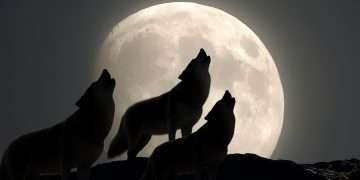
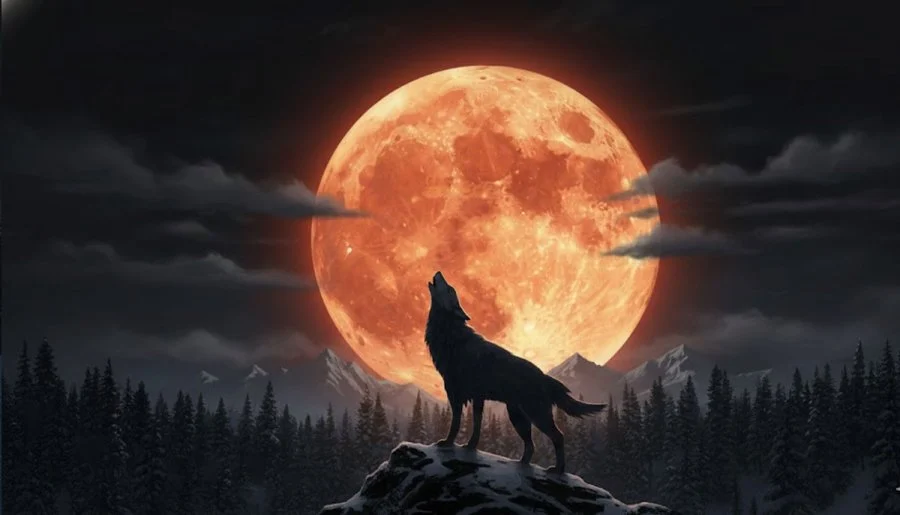
The wolf full moon gets its name from old traditions. Long ago, people noticed wolves howling more during cold winter nights in January. While folklore suggested they howled because of hunger, we now know wolves howl to communicate with their pack, define territory, and coordinate hunting during the quiet winter months.
Some astronomers even joke that this is a “three wolf moon” because of its rare triple-event brightness.
Why This Wolf Full Moon Is Important
This wolf full moon is the last full supermoon until November 2026. That makes it a rare chance for people to enjoy a bright Moon night. Events like this help grow interest in space science and are often shared as part of global and Africa news, especially among sky watchers and photographers across the continent.
For more travel stories, sky events, and guides across Africa, visit: 👉 Afrikeye Travel