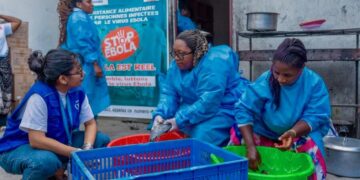





The United Nations World Food Programme (WFP) has launched a massive, multi-sector emergency health response in the eastern Democratic Republic of the Congo (DRC) to contain a rapidly spreading Ebola outbreak. Announcing the deployment in June 2026, humanitarian coordinators warned that the deadly virus is moving through vulnerable communities already devastated by violent conflict, mass displacement, and deep nutritional poverty. Providing reliable, immediate food resources is critical to helping isolated families comply with strict medical quarantine protocols and slowing down transmission rates.
The severe epidemiological emergency is unfolding inside one of the most complex humanitarian crises on earth. The virus has officially spread across 34 distinct health zones spanning the provinces of Ituri, North Kivu, and South Kivu. Alarmingly, 30 of these affected zones are already experiencing acute crisis or emergency levels of hunger (IPC Phase 3 and 4), leaving more than 10 million people across the region structurally food insecure. This overlapping layer of illness and malnutrition places an extreme burden on regional public health networks.
Managing Complex Logistics to Defend Public Health Infrastructure
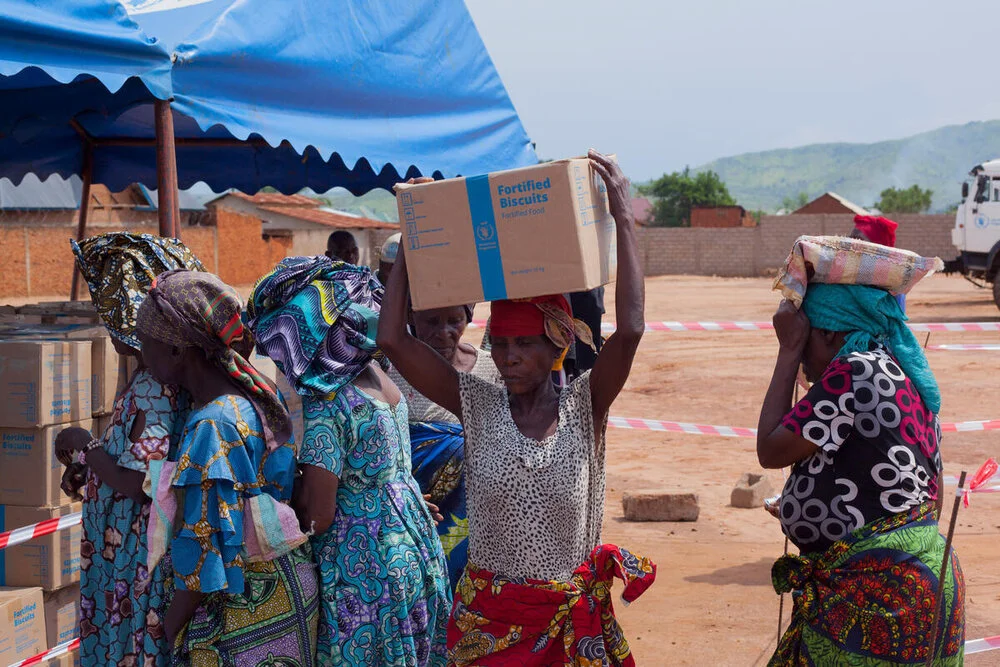
Constructing an ironclad logistical backbone is essential to preventing the epidemic from breaching provincial borders and triggering a wider continental disaster. WFP is currently distributing monthly sustenance rations, nutritional supplements, and hot meals to over 1,200,000 patients, care providers, and contact groups residing across active isolation wards and quarantined villages. However, persistent infrastructure gaps, weak diagnostic screening protocols, and uncoordinated triage operations continue to limit the precision of specialized clinical interventions in rural zones.
| Operational Response Asset | Cumulative Performance Output (Mid-2026) | Urgent Strategic Needs (Next 6 Months) |
|---|---|---|
| Emergency Meals Distributed | 36,000+ hot plates delivered to isolation units | Immediate scale-up to support new hotspots |
| UNHAS Humanitarian Flights | 268 aviation missions executed across priority lines | Continued daily links between Kinshasa and Bunia |
| Critical Cargo Transported | 190 metric tons of medical PPE and gear moved | Prepositioning of advanced isolation units |
| Emergency Capital Deficit | USD 72 million needed for immediate Ebola response | USD 286 million required for wider country ops |
The rapid escalation of these medical containment operations is heavily modifying the regional business landscape by shifting commercial transport priorities. To maintain open supply corridors, the WFP-managed United Nations Humanitarian Air Service (UNHAS) is running daily cargo operations to transport technical responders, laboratory equipment, and personal protective clothing directly to frontline hotspots. These operations help stabilize baseline regional logistics networks, allowing private transport companies to coordinate safe routes and prevent the total collapse of local marketplace supply chains.
How Advanced Security Protocols Protect Frontier Health Workers
Sustaining these intensive medical delivery pipelines requires a direct confrontation with severe security threats within Central African politics. Active conflict zones frequently intersect with critical distribution vectors, forcing vulnerable groups to move constantly in search of physical safety. To handle these volatile operational risks, field teams are deploying advanced transport protocols, including specialized Epishuttle isolation modules and dedicated medical evacuation procedures, protecting international health workers as they enter highly insecure territories.
To trace outbreak data and coordinate resource deployments across remote jungle villages, administrative teams are leveraging secure data platforms within the country’s growing tech infrastructure sector. These systems allow field epidemiologists to log contact cases, monitor vaccine cold-chains, and share cargo manifests instantly with central operations. This digital transparency optimizes the allocation of scarce medical assets, matching the electronic emergency response frameworks managed by the Africa CDC emergency registry to handle cross-border biological crises.
Independent medical policy experts sharing their professional opinion columns emphasize that clinical containment remains completely impossible if communities are forced to break quarantine out of basic starvation. They argue that when families possess a predictable supply of nutritious food, they can safely isolate at home, protecting the broader labor market and keeping vital jobs alive. Incorporating automated data frameworks and predictive ai modeling can help teams anticipate local food deficits before the approaching lean season, protecting regional stability and saving lives.